
By Josh Tagg, mortgage broker · Mortgages for Less with INDI Mortgage · Calgary, serving all of Alberta ·
Anybody in Calgary looking to buy their first home is watching interest rates closely. If you’re not, now is the time to start. Mortgage rates have a huge impact on what you can afford—and whether it makes sense to lock in now or wait.
This month’s inflation report offered some hopeful news, but not enough for economists to believe the Bank of Canada (BoC) will rush to cut rates on September 17th. Let’s break down what this means for first-time buyers—and everyone else.
Is inflation cooling enough for a rate cut?

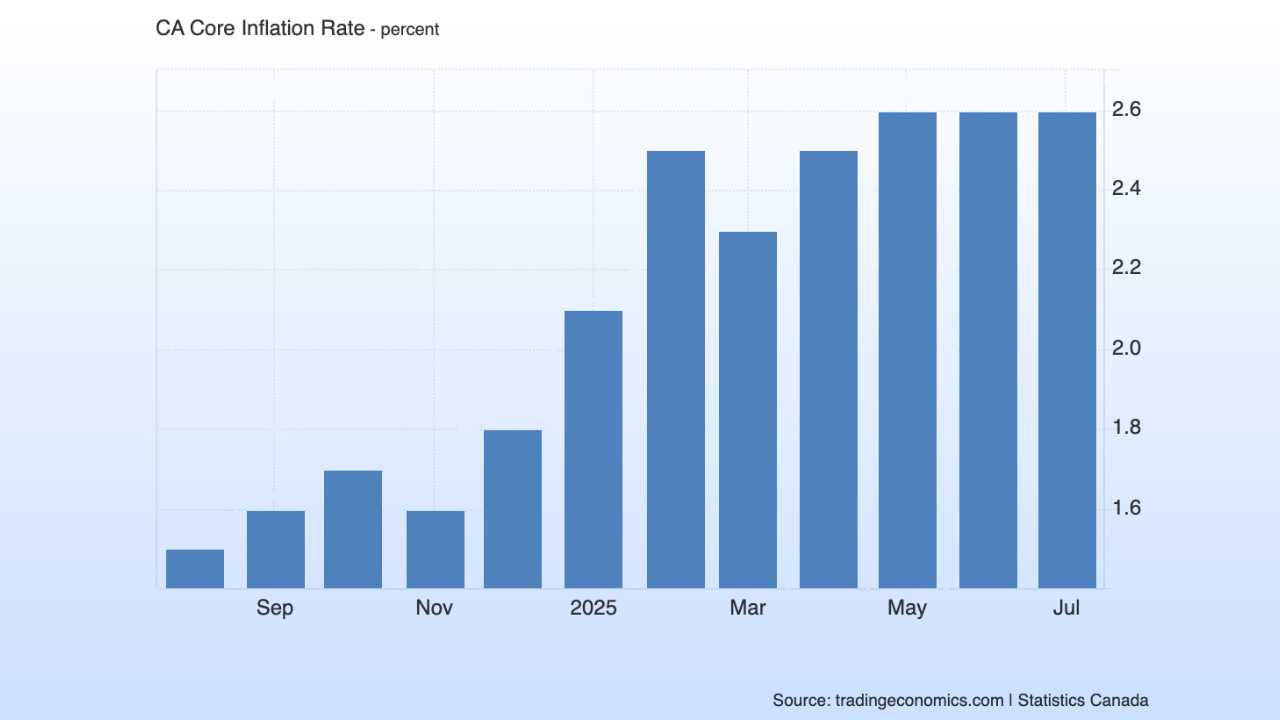
In July, Canada’s inflation eased to 1.7%, down from June’s 1.9%. That sounds good, but the Bank of Canada doesn’t just look at headline numbers. It pays closer attention to “core” inflation, which excludes volatile items like food and gas.
Those numbers stayed sticky:
- Customer Price Index-trim: 3.0% (unchanged)
- Customer Price Index-median: 3.1% (slightly higher)
Since the BoC’s comfort zone is around 2%, we’re still above target. Economists say this stability makes it unlikely the Bank will cut rates in September—unless the next inflation report (due the day before the decision) shows a big surprise.
How does U.S. inflation affect Canadian mortgage rates?
While Canada is holding steady, the U.S. is seeing rising price pressures. U.S. inflation stayed at 2.7% in July, but “core” inflation climbed higher, partly due to tariffs and supply chain costs.
If U.S. bond yields rise because of this, Canadian bond yields—and fixed mortgage rates tied to them—often follow. That’s why Calgary buyers could see fixed rates edge higher, even if the BoC doesn’t change its own rate.
Should Calgary buyers choose a fixed or variable mortgage?
- Fixed Rates: Right now, three- and five-year fixed rates are sitting close together. Economists say five-year fixed terms might offer slightly better long-term value if you want predictability.
- Variable Rates: These are still attractive but come with volatility. The BoC is expected to cut eventually, just maybe not in September. If you can handle some uncertainty, variable could save you money over time.
Should you wait for rates to drop before buying?
Even if rates feel uncertain, your best move is to get pre-approved with a mortgage broker now. A pre-approval locks in today’s rate for up to 120 days, protecting you if rates go up but still allowing you to take advantage if they drop.
In Calgary’s competitive market—where affordability is already better than in Toronto or Vancouver—this can make all the difference when you’re ready to make an offer. Don’t wait for the “perfect” interest rate. Inflation is cooling but not fast enough to guarantee cuts in September, and U.S. trends could push Canadian fixed rates higher in the meantime.
If you’re a first-time buyer, the smartest step you can take right now is to connect with a trusted mortgage broker, like me, who can help you compare options, lock in a rate, and guide you through Calgary’s housing market with confidence.
How an Alberta mortgage broker helps first-time buyers when rates are uncertain
You can’t predict the next announcement, but you can be ready for it:
- A pre-approval with a rate hold of up to 120 days, so a rise doesn’t cost you and a drop still can help.
- A plain comparison of fixed and variable options and what each would cost you month to month.
- Rates shopped across multiple lenders for Calgary, Edmonton and the rest of Alberta.
- A budget built on today’s rate, so a cut is extra room rather than something your plan depends on.
Buying your first home in Calgary?
Lock in a rate hold now and keep your options open whichever way rates move.
Apply Online → Book a Discovery Call → Serving Calgary, Edmonton & all of Alberta · Mortgages for Less with INDI MortgageQuestions about July 2025 inflation and mortgage rates
What was Canada’s inflation rate in July 2025?
Why didn’t lower inflation mean a September rate cut was likely?
When was the Bank of Canada’s September 2025 decision?
How can U.S. inflation affect fixed mortgage rates in Canada?
Should I choose a fixed or variable mortgage rate?
How long does a mortgage pre-approval hold a rate?
This article was written on August 20, 2025, before the September 17, 2025 Bank of Canada decision. Rates, inflation figures and lender policies change. This is general information, not financial advice; please speak with a licensed mortgage professional about your specific circumstances. Mortgages for Less with INDI Mortgage.