As a mortgage broker here in Alberta, I pay close attention to what’s happening in housing across Canada, not just in our own province. Sometimes the biggest changes start somewhere else and slowly make their way across the “true north strong and free.”
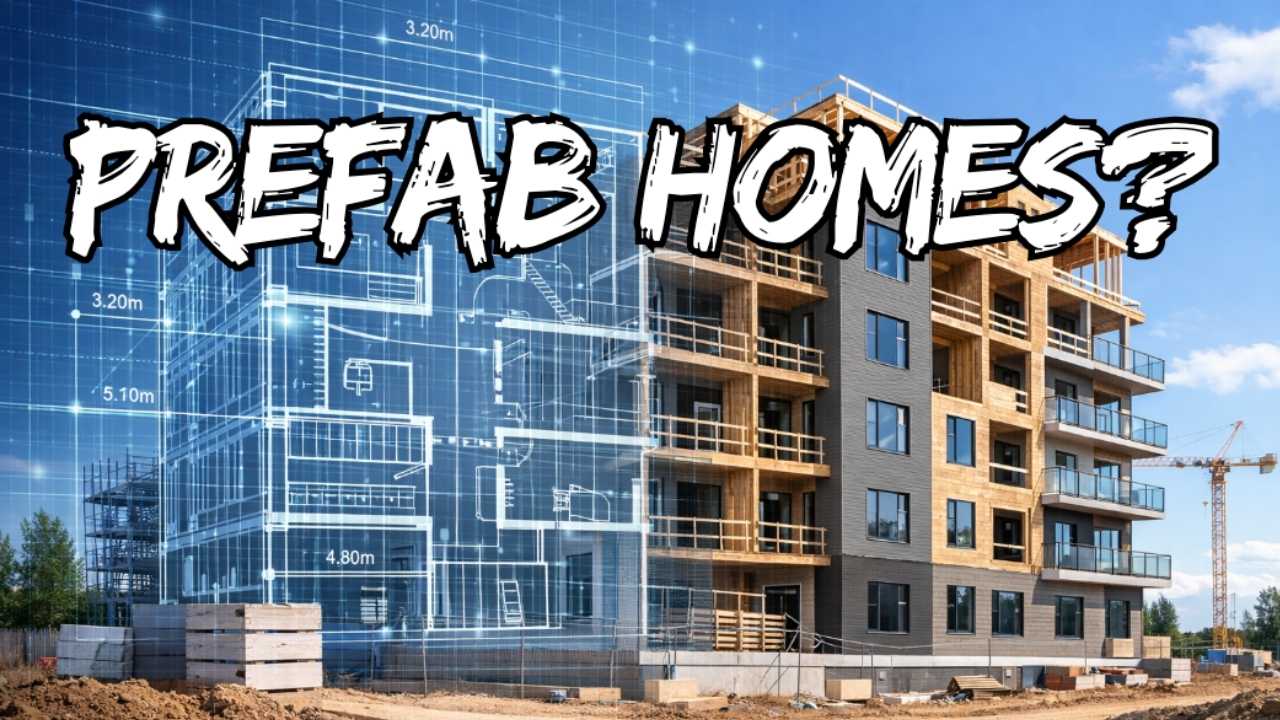
Back in November, the B.C. government launched a new digital platform called DASH. It’s a program used to help builders design and construct prefabricated housing faster and at a lower cost. While this tool is being rolled out in British Columbia, it raises an important question for Albertans:
Could this kind of technology help make homes more affordable here too?
What is DASH and why is everyone talking about it?

DASH stands for Digitally Accelerated Standardized Housing. It’s a free online tool created by the B.C. government to help developers, non-profits, and architects design multi-family housing more efficiently.
Using DASH, an architect can choose from a library of standardized wood-frame building designs, place the building on a specific lot, and use software to quickly adjust and optimize the plans.
According to B.C.’s Housing Minister, this tool can cut design time by 50 to 60 per cent and reduce construction costs by 20 to 25 per cent. Tasks that used to take weeks can now be done in minutes.
That’s BIG news for an industry where time delays and rising costs are a major reason homes are so expensive.
How prefabricated housing works
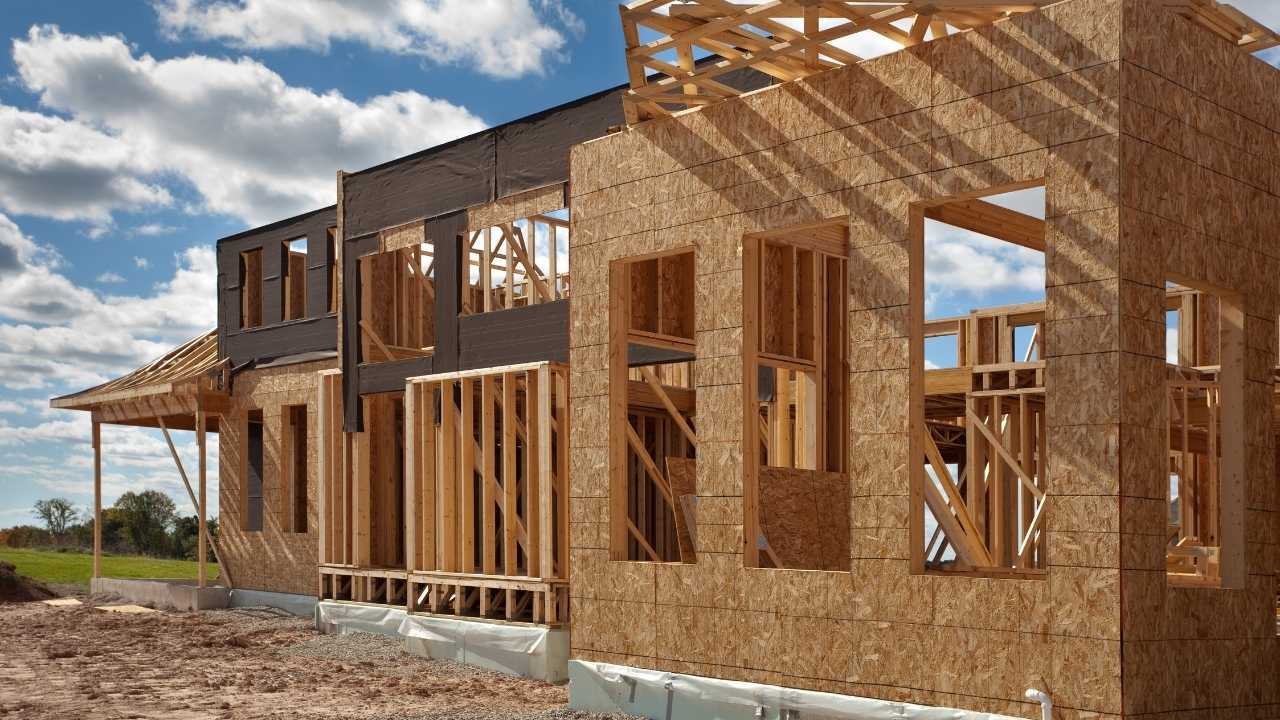
Prefabricated housing, often called prefab, means building parts of a home off-site in a factory instead of entirely on the construction site. Walls, floors, and other components are built indoors, shipped to the site, and assembled much faster than traditional construction. This approach can reduce weather delays, material waste, and labour shortages.
DASH supports this method by giving builders standardized, pre-approved designs that are ready to be manufactured off-site. This doesn’t replace architects or creativity. Instead, it handles repetitive design work so professionals can focus on making buildings fit well into neighbourhoods and meet local needs.
POV: Alberta homebuyers
Alberta continues to see strong population growth (we’re looking at you Edmonton and Calgary.) More people means more demand for housing. When supply can’t keep up, prices and rents rise.
If Alberta adopts similar tools or approaches, builders could potentially deliver homes faster and at lower cost. Over time, that can help increase supply and reduce pressure on prices.
For first-time buyers like townhomes or low-rise condos. For investors and non-profits, it could mean rental housing that actually pencils out financially.
What this could mean for mortgage affordability
If construction costs drop by 20-25%, that savings can translate into lower sale prices or slower price growth. Even small reductions in price can make a big difference to your mortgage payment, down payment, and qualification.
For example, a lower purchase price can mean:
-
A smaller mortgage
-
Lower monthly payments
-
Less interest paid over time
-
Easier mortgage approval, especially for first-time buyers
Tools like DASH won’t fix affordability overnight, but they address two of the root problems: the cost and speed of building new homes.
Could Alberta roll out something similar?
Alberta already has advantages that other provinces don’t. We have more available land, fewer zoning constraints in many areas, and a strong construction sector. What we don’t always have is speed. Approval processes, design timelines, and labour shortages can still slow projects down. And don’t forget the weather. Alberta cities are notorious for being in one of two seasons: winter or construction.
A digital platform like DASH could help reduce red tape, speed up approvals, and make it easier for builders to deliver housing at scale. Whether it comes from the provincial government or the private sector, this kind of innovation is likely part of the future.
My takeaway as an Alberta mortgage broker
The launch of DASH in B.C. shows that governments and industries are finally taking construction efficiency seriously. Technology alone won’t solve the housing crisis, but it’s a critical piece of the puzzle.
The key takeaway is this: housing affordability is about more than rates. Supply, construction costs, and innovation all play a role in what you pay and what options are available to you.
If you’re thinking about buying, building, refinancing, or investing in Alberta, it’s important to look at the full picture and plan accordingly. Contact me today to get started!