By Josh Tagg, mortgage broker · Mortgages for Less with INDI Mortgage · Calgary, serving all of Alberta ·
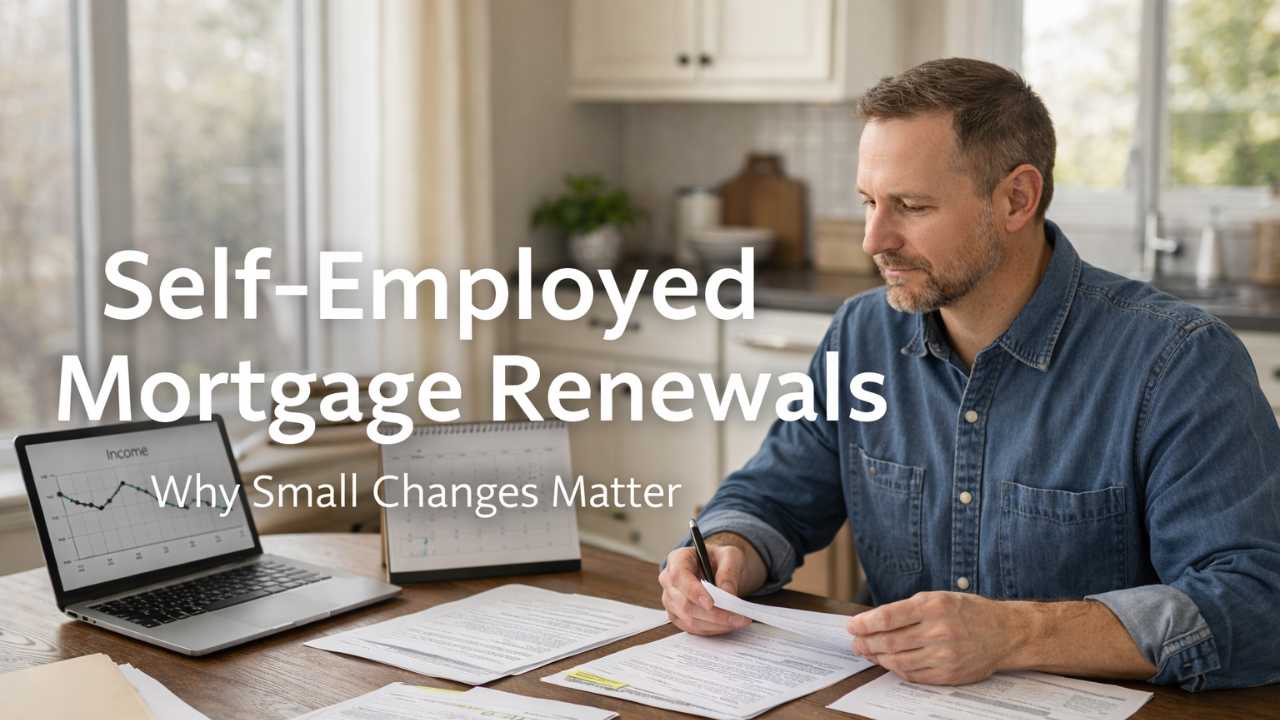
If you’re self-employed in Alberta and your mortgage is coming up for renewal, I want to share something I see catch people off guard far too often.
Many homeowners assume renewal will be simple. They’ve made all their payments on time, their credit is good, and they’re staying with the same lender. But if you’re self-employed, even small changes in your income or business structure can complicate things more than you expect.
I’m Josh Tagg, a mortgage broker here in Alberta, and this is what self-employed homeowners should know before renewal time.
Why are self-employed mortgage renewals trickier?
When you’re self-employed, lenders don’t look at your income the same way they do for salaried employees. Instead of a steady paycheque, they rely heavily on documents like tax returns, notices of assessment, and business financials.
At renewal, lenders may take a fresh look at your file, especially if you’re switching lenders or refinancing. Even staying with the same lender isn’t always a guarantee that nothing will be reviewed.
Small changes that feel normal to you, like writing off more expenses, changing how you pay yourself, or having a slower year in business, can raise red flags with lenders.
What changes can cause problems at renewal?

Here are some scenarios that can trip up a renewal if you’re self-employed.
- If your net income dropped on paper because you claimed more business deductions, your lender may say you qualify for less than before, even if your actual cash flow feels fine.
- If you switched from salary to dividends, or vice versa, your income history may no longer fit a lender’s guidelines.
- If your business structure changed, such as moving from sole proprietor to incorporated, lenders may require new documentation or longer history.
- Even something as simple as taking on new debt, like a vehicle loan or line of credit, can impact how your renewal is assessed.
None of these are mistakes, but they can affect your mortgage if you’re not prepared.
What is the risk of waiting until the last minute?
One of the biggest issues is timing. Many self-employed homeowners only look at their renewal paperwork when the lender sends it out, often 30 to 60 days before your renewal due date.
At that point, options can be limited. If income doesn’t qualify as expected, you may feel pressured to accept higher rates, shorter terms, or unfavourable conditions just to get the renewal done on time.
This is especially risky if you were planning to switch lenders, refinance, or consolidate debt at renewal.
Why is switching lenders harder when you’re self-employed?
Switching lenders can be a great move. It can mean better rates, cash incentives, or more flexible features. However, switching almost always triggers a full re-qualification.
That means updated income verification, credit review, and sometimes business financials.
Some lenders are very conservative with self-employed income, while others are more flexible and understand how business owners structure their finances. Knowing where to apply matters a lot.
What options do self-employed borrowers have if banks say no?
If traditional lenders don’t like your numbers, it doesn’t always mean you’re stuck.
There are lenders in Canada that specialize in self-employed mortgages. They may accept stated income, bank statements, or alternative documentation. Rates and fees can be higher, but these options can act as a bridge while your income stabilizes or your financials improve.
The key is knowing these options ahead of time, not discovering them under pressure.
What should I do before my renewal?

If you’re self-employed, I strongly recommend starting the conversation early, ideally six to twelve months before renewal.
This gives us time to review your income, look at how your taxes are being filed, and plan ahead if adjustments are needed. Sometimes small changes, like timing expenses differently or choosing the right lender, can make a big difference.
Even if you plan to stay with your current lender, it’s worth understanding your options so you’re not renewing blindly.
Start 6–12 months out. Book a review well before the lender’s renewal letter arrives.
Review your income on paper. Look at your recent tax returns and notices of assessment the way a lender will.
Check your tax filing and pay structure. Plan any adjustments — like the timing of expenses — before the next return is filed.
Match your file to the right lender. Know which lenders are flexible with self-employed income, and what the alternative options are, before you need them.
Do self-employed homeowners have options at renewal?
Being self-employed gives you flexibility and control, but it also means your mortgage needs a bit more planning, especially at renewal.
If your mortgage is coming up and you’re self-employed, or thinking about switching lenders, refinancing, or accessing equity, getting advice early can save you stress, time, and money.
If you’re in Alberta and want to talk through your situation, I’m happy to help you understand what to expect and how to prepare well ahead of renewal.
How an Alberta mortgage broker helps self-employed homeowners at renewal
Business-owner income is where lender choice matters most. Here’s what we do before your maturity date:
- Read your tax returns, notices of assessment and business financials the way an underwriter will — so there are no surprises.
- Explain how a switch to dividends, incorporation or a slower year changes the income a lender will count.
- Match your file to lenders that understand how business owners structure their finances, instead of the most conservative one.
- Line up alternative-documentation options in advance, as a bridge while your income stabilizes.
- Plan a switch, refinance or debt consolidation early enough that you’re never pushed into a rushed renewal.
- We work with homeowners across Calgary, Edmonton and all of Alberta.
Self-employed with a renewal coming up?
Get your income reviewed now, while there’s still time to plan — not when the renewal letter lands.
Apply Online → Book a Discovery Call → Serving Calgary, Edmonton & all of Alberta · Mortgages for Less with INDI MortgageSelf-employed renewal questions Alberta homeowners ask
Why is renewing a mortgage harder when you’re self-employed?
Will my lender review my income if I renew with the same lender?
Can writing off more business expenses affect my mortgage renewal?
Does switching from salary to dividends affect a mortgage?
Do I have to re-qualify if I switch lenders at renewal?
What if traditional lenders won’t approve my self-employed income?
How early should a self-employed homeowner prepare for renewal?
This article is general information for self-employed homeowners in Alberta, not financial, mortgage, tax or legal advice. Lender policies on self-employed income, documentation and re-qualification vary and change over time; speak with your accountant before changing how you pay yourself or file your taxes. Any mortgage is subject to lender approval. Please speak with a licensed mortgage professional about your specific situation. Mortgages for Less with INDI Mortgage.