
By Josh Tagg, mortgage broker · Mortgages for Less with INDI Mortgage · Calgary, serving all of Alberta ·
A common decision first-time homebuyers make is whether they should buy a brand-new home or a resale property.
Some buyers love the idea of moving into a home where everything is brand new, while others prefer the character, location, and established neighbourhoods that often come with resale properties.
The good news is that both options can be excellent choices. The key is understanding the trade-offs before you start shopping so you can choose the option that best fits your goals and budget.
Why do some first-time buyers prefer new builds?
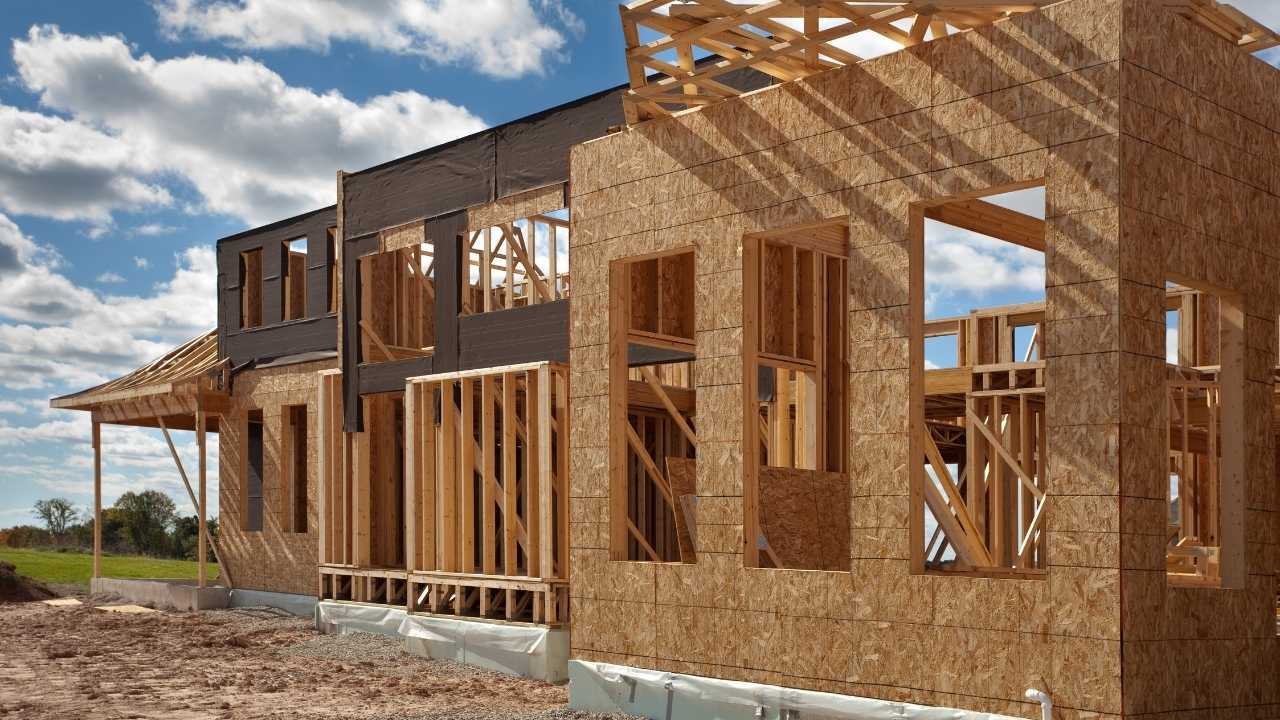
There are several reasons new construction homes appeal to first-time buyers. For many people, the biggest attraction is that everything is new.
Appliances, roofing, furnaces, windows, plumbing, and electrical systems should all have many years of life remaining. That can reduce the likelihood of major repair costs during the first few years of ownership and provide some additional peace of mind.
Many new homes are also more energy efficient than older properties. Better insulation, newer windows, and modern heating systems can help reduce monthly utility costs over time.
Buyers often appreciate the opportunity to personalize certain features as well. Depending on the builder and construction stage, you may be able to select flooring, cabinets, countertops, paint colours, and other finishes before moving in.
For some buyers, there is also comfort in knowing the home is covered by Alberta’s new home warranty program. While warranties do not eliminate every potential issue, they can provide protection against certain defects that may arise after possession.
What are the potential downsides of a new build?
While new construction can be appealing, there are some drawbacks buyers should understand before committing to a purchase. These factors do not necessarily make new homes a poor choice, but they can affect affordability and overall value.
New homes are often more expensive than comparable resale properties in the same area. Many buyers focus on the base price and underestimate the additional costs that often come after possession.
These costs can include:
- Landscaping
- Decks and fencing
- Window coverings
- Air conditioning
- Garage finishing
- Appliance upgrades
When added together, these expenses can easily add several thousand dollars to the overall cost of ownership.
Location can also be a factor. New communities may still be developing, which can mean fewer amenities, less mature landscaping, and ongoing construction nearby for several years.
If you’re purchasing a pre-construction home, there is also the possibility of construction delays or changes to completion timelines. While most projects are completed successfully, buyers should be prepared for the possibility that possession dates may shift.
Why do many first-time buyers choose resale homes?
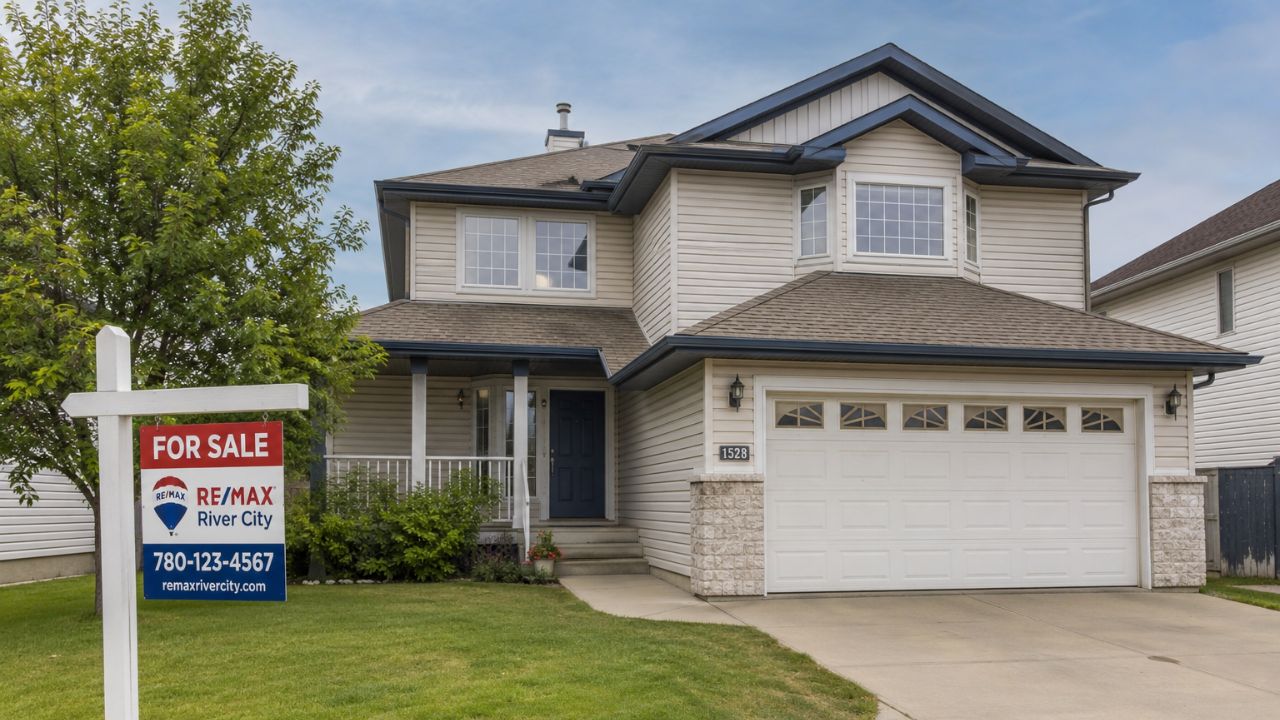
Resale homes offer advantages that are often overlooked by first-time buyers. In many cases, they provide features and neighbourhood characteristics that would take years to develop in a new community.
One of the biggest benefits is location. Many resale properties are located in mature neighbourhoods with established schools, parks, shopping, public transportation, and other amenities already in place.
You also get to see exactly what you’re buying before making a decision. Rather than relying on renderings or floor plans, you can walk through the property, evaluate its condition, and get a feel for the neighbourhood before submitting an offer.
Many resale homes also include features that would cost extra in a new build. Landscaping, fencing, decks, mature trees, window coverings, and even finished basements are often already completed.
In some cases, a resale property may offer significantly better value on a price-per-square-foot basis. Buyers who prioritize location and overall value often find resale homes particularly attractive.
What are the potential downsides of a resale home?
The primary trade-off is that older homes can come with maintenance and repair costs. Even a well-maintained property will eventually require updates as components age and reach the end of their useful life.
Depending on the age of the home, future expenses could include replacing roofing, windows, furnaces, hot water tanks, or appliances. These costs do not necessarily happen immediately, but they should be considered when building a long-term budget.
A professional home inspection can help identify potential concerns before you finalize the purchase. However, buyers should still plan for ongoing maintenance and unexpected repairs as part of homeownership.
Older homes may also be less energy efficient than newer construction. As a result, utility costs can sometimes be higher than what buyers would experience in a recently built home.
What mortgage considerations matter in 2026?
The mortgage side of this decision has become more interesting over the past year. Recent rule changes and buyer incentives have created additional factors that first-time buyers should consider.
Certain new-build purchases may qualify for programs or incentives that can improve affordability for eligible buyers. New homes can also provide additional flexibility under current mortgage rules, including access to longer amortization options in some situations.
At the same time, affordability is about more than the mortgage payment alone. Property taxes, utilities, insurance, maintenance costs, condo fees, and future repairs all affect the true cost of ownership.
I always encourage buyers to focus on their overall monthly budget rather than simply the maximum amount they can qualify for. A home that fits comfortably within your budget is often a better long-term choice than stretching to the highest possible approval amount.
New build or resale: which option is actually better?

In my experience, neither option is automatically better. The right choice depends on your priorities, budget, lifestyle, and long-term plans.
A new build may make sense if you want modern layouts, lower maintenance in the early years, and the opportunity to personalize finishes. Buyers who enjoy newer communities and are comfortable with construction timelines often find this option appealing.
A resale home may make sense if location is your highest priority or if you want established neighbourhood amenities. Buyers who prefer seeing the exact property before purchasing often feel more comfortable with the resale market.
| New build | Resale home | |
|---|---|---|
| Condition | Appliances, roofing, furnaces, windows, plumbing and electrical all have many years of life remaining | Components age, so roofing, windows, furnaces, hot water tanks and appliances eventually need replacing |
| Energy efficiency | Better insulation, newer windows and modern heating can lower monthly utility costs | Often less efficient, so utility costs can be higher |
| Location | Newer communities may still be developing, with fewer amenities and ongoing construction nearby | Mature neighbourhoods with established schools, parks, shopping and public transportation |
| What you see before you buy | Renderings and floor plans, with the chance to select finishes | The actual property, walked through and evaluated before you offer |
| Costs after possession | Landscaping, decks and fencing, window coverings, air conditioning, garage finishing, appliance upgrades | Landscaping, fencing, decks, window coverings and finished basements are often already completed |
| Timeline | Pre-construction possession dates can shift | Possession on an agreed date, with the home already built |
| Bottom line | Neither is objectively better — the right answer is the one that fits your financial situation and lifestyle | |
The decision between a new build and a resale home is not really about which type of property is objectively better. Instead, it is about finding the option that best aligns with your financial situation and lifestyle.
I’ve worked with buyers who were thrilled with their brand-new home and others who found incredible value in a resale property they could move into immediately. Both approaches can be successful when the purchase fits the buyer’s goals.
Before you start shopping, it helps to understand your mortgage options, your realistic budget, and the true cost of ownership for each type of property. Once you have that information, the decision becomes much easier and far less stressful.
How an Alberta mortgage broker helps you choose between a new build and a resale home
The property type changes the mortgage, not just the price tag. Here is what we sort out before you start shopping:
- We put a realistic budget in front of you first, so the shortlist is built around what you can comfortably carry rather than the maximum you qualify for.
- We check whether the new-build programs and incentives currently available apply to you, and what they would actually be worth.
- We confirm where longer amortization options are available and what they do to the monthly payment and the total interest.
- We build the true cost of ownership into the numbers — property taxes, utilities, insurance, condo fees, maintenance and the repairs an older home will eventually need.
- We plan for the after-possession costs on a new build so landscaping, fencing, window coverings and a garage do not arrive as a surprise on a credit line.
- We structure the approval around pre-construction timelines, including what happens if the completion date moves.
Not sure which one your budget actually supports?
Let’s run the real numbers on both — a new build and a resale home — before you start shopping, so the decision is about what you want rather than what you can guess.
Apply Online → Book a Discovery Call → Serving Calgary, Edmonton & all of Alberta · Mortgages for Less with INDI MortgageNew build vs. resale: common questions
Is a new build or a resale home better for a first-time buyer?
What extra costs come after possession on a new build?
What are the main advantages of buying a new build?
Why do many first-time buyers choose a resale home instead?
What should I budget for when buying an older home?
Do new builds qualify for different mortgage rules or incentives in 2026?
Should I buy at the maximum amount I qualify for?
This article is general information for Alberta homebuyers, not financial, mortgage, tax or legal advice. It was published in June 2026; builder programs, warranty coverage, government incentives, amortization rules and lender policies change over time, and any mortgage is subject to lender approval. Please speak with a licensed mortgage professional about your specific circumstances. Mortgages for Less with INDI Mortgage.