
I’m Josh Tagg, mortgage broker, and if you’ve been reading my blogs for a while you’ll know that interest rates are a common topic. But the housing market is controlled by just this one thing.
As a first-time home buyer, your ability to buy a home is actually shaped by something bigger — economic stability.
This morning brought a major shift in North American trade rules and tariffs. The US Supreme Court ruled that Trump’s sweeping tariffs were illegal, and simultaneously halted those tariffs immediately. This might sound unrelated to buying your first home, but it directly affects inflation, mortgage rates, job confidence, and ultimately whether first-time buyers can safely enter the market.
Trade policy and first-time buyers
Canada trades heavily with the United States. When tariffs or trade barriers exist, businesses pay more for materials, transportation, and manufacturing. Those costs show up as higher prices for everyone.
Higher prices create inflation → Inflation keeps mortgage rates higher
Recently, a major U.S. tariff policy was struck down, removing some of the extra costs placed on goods and materials moving across North America. This helps reduce price pressure across industries, including construction and renovation.
For first-time buyers, the impact shows up in two ways:
- It reduces pressure for future rate increases
- It helps slow the rise of home prices caused by construction costs
In other words, affordability stops getting worse as quickly.
Mortgage rates may become more predictable
The Bank of Canada reacts to inflation, not housing directly. When inflation risk falls, the Bank doesn’t need to push rates higher. That doesn’t mean rates instantly drop but it does mean the risk of sudden increases shrinks.
For first-time buyers, predictability is actually more important than low rates. You can plan a purchase when payments stay stable. It becomes much more difficult when borrowing costs jump every few months.
This kind of stable environment is usually when renters transition to becoming homeowners.
Canada is trying to diversify trade

Canada is also gradually expanding trade beyond the U.S., although the process is slow and still developing. Why does this matter to someone buying their first home? Because first-time buyers depend on job stability more than investors or move-up buyers.
When employment feels secure:
- People are willing to commit to a mortgage
- Lenders are more comfortable approving borrowers
- Parents are more willing to help with down payments
A stable economy often unlocks first-time buyers even before interest rates fall significantly.
What typically happens next in housing
First-time buyers often wait for the lowest possible rate. But housing markets rarely work that way. Here is the normal sequence:
- Economic stability improves
- Buyers return to the market
- Home prices rise slowly
- Rates finally drop later
By the time the lowest rate arrives, competition has already increased. This is why many people feel priced out even though rates look better in the news.
What this means for Alberta
Alberta housing is strongly tied to confidence. People buy when they feel secure about income, not just when rates are low.
Trade stability supports employment confidence → Employment confidence brings first-time buyers back → First-time buyers create the floor under home prices.
So the biggest impact of these changes is not cheaper mortgages immediately — it is a safer entry point into the market.
How first-time buyers should approach 2026
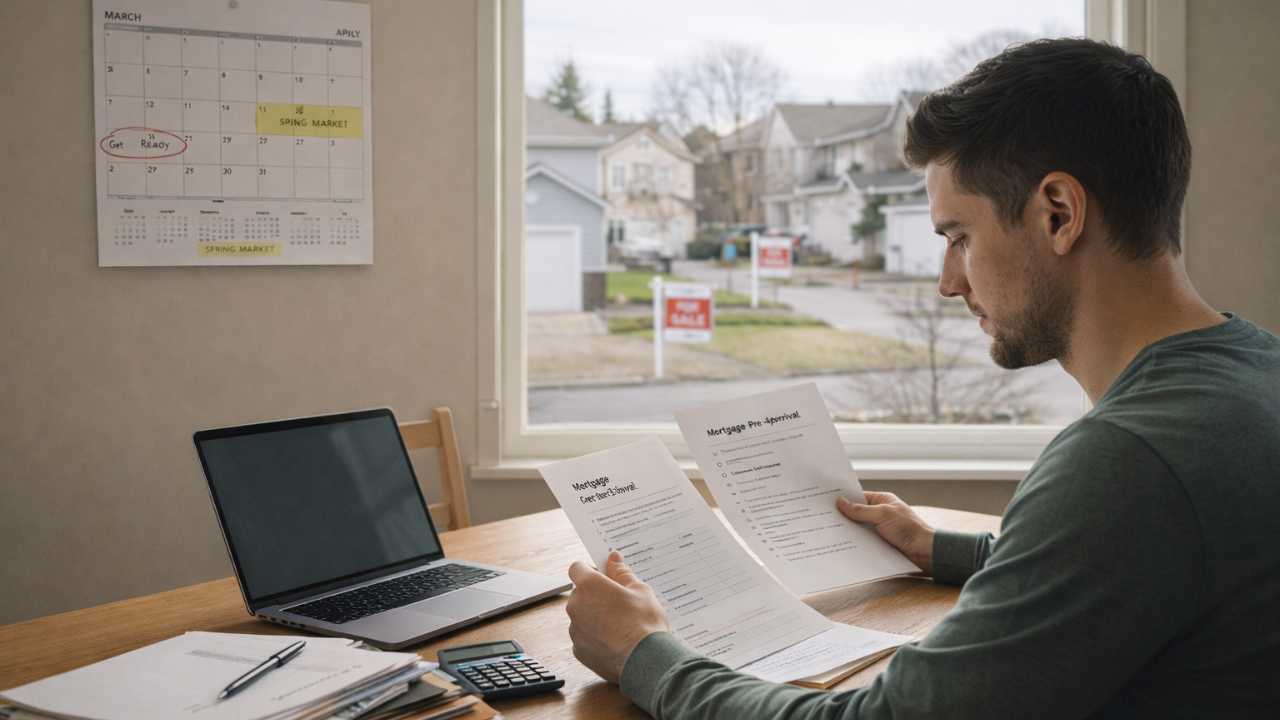
Instead of asking “When will rates be lowest?”, a better question is: “When will risk be lowest?”
The lowest-risk window is usually when:
- Rates have stopped rising
- Payments are predictable
- Competition has not surged yet
That period may be starting to form.
My advice as a mortgage broker
The mistake I see most first-time buyers make is waiting for perfect affordability. But perfect affordability rarely appears; stable conditions do.
Trade changes don’t often make major headlines in real estate, but they change behaviour. When the economy feels steady, buyers move first and headlines follow later.
Over the coming year, I was already expecting the Bank of Canada to keep the overnight rate the same, and now I also expect fewer shocks and more gradual market movement in Alberta.
If you’re planning to buy your first home, the goal right now isn’t timing the bottom. It’s getting prepared before the market becomes crowded. Contact me for advice or to get started.