
Buying a home outside Edmonton can be an attractive option, especially if you are looking for more space, a quieter community or a different pace of life. Communities such as St. Albert, Sherwood Park, Beaumont, Leduc, Fort Saskatchewan, Spruce Grove, Stony Plain, Devon and Morinville all offer alternatives to living within Edmonton itself.
However, choosing a surrounding town should involve more than comparing home prices. Here are five important factors to consider before deciding where to buy.
1. Your Actual Commute

A town may look close to Edmonton on a map, but your daily commute can vary significantly depending on where you work, the route you take and the time of day.
Test the drive during your normal commuting hours rather than relying entirely on an online estimate. You should also consider winter conditions, road construction and how often you will need to travel across the city.
A slightly less expensive home may not feel like a bargain if you spend considerably more time and money commuting each week.
2. Property Taxes and Municipal Costs
Property tax rates and municipal services can differ from one community to another. A lower purchase price does not automatically mean the home will cost less to carry.
Compare the estimated annual property taxes on the specific homes you are considering. You should also look at water, sewer, garbage collection and any local fees that may apply.
Municipal property taxes help fund services such as roads, recreation, public safety and community infrastructure, so compare both the cost and what you receive in return.
3. Schools, Childcare and Recreation

Think about the services your household uses now and may need in the future. This can include schools, daycare, sports facilities, libraries, medical clinics, parks and community programs.
A neighbourhood may offer the type of home you want, but the nearest school or childcare provider may be farther away than expected. Growing communities can also experience pressure on schools and other local services.
Visit the community, research the available programs and confirm which schools serve the property.
4. Shopping and Everyday Convenience
Consider how easily you can access groceries, healthcare, restaurants, professional services and other everyday necessities.
Some buyers enjoy living in a smaller community and do not mind driving into Edmonton for certain purchases or appointments. Others may find that frequent trips into the city become inconvenient.
Think about your normal weekly routine and whether the town supports it without requiring more driving than you are comfortable with.
5. Resale and Future Development
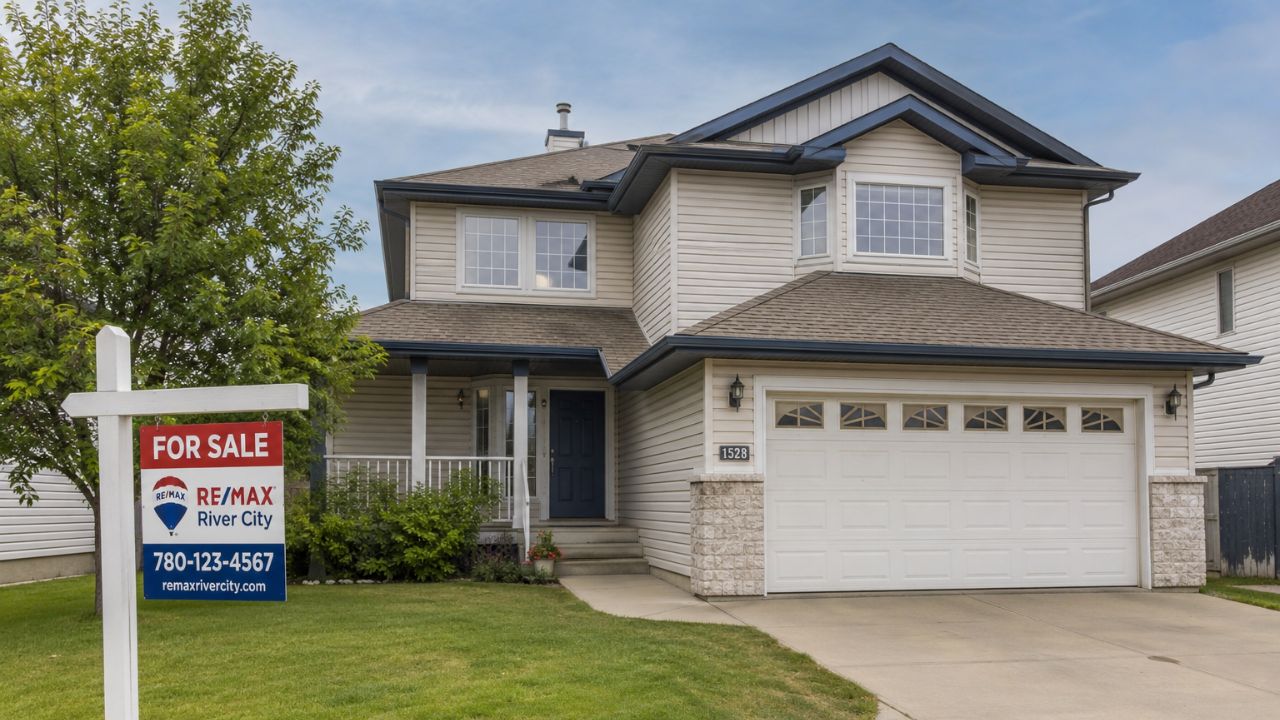
Your home should meet your current needs, but it is also worth considering how easily it may sell later.
Look at planned roads, new subdivisions, commercial development and major projects in the surrounding area. Future growth can bring more services and employment, but it can also mean construction, increased traffic and more competing homes when you eventually sell.
Before buying, ask your real estate agent about local sales trends and future development plans. Your mortgage broker can then help you compare the complete monthly cost of each option.
The right surrounding town is not necessarily the one with the lowest home price. It is the community that offers the best overall fit for your budget, commute and lifestyle.
Mortgage Broker Advice
Buying in one of Edmonton’s surrounding communities can be a great fit, but the right choice depends on more than the purchase price. I can help you compare mortgage options, estimated monthly costs and how different property taxes or commuting expenses may affect your budget. Contact me, Josh Tagg, to talk through your plans before you begin making offers.