
By Josh Tagg, mortgage broker · Mortgages for Less with INDI Mortgage · Calgary, serving all of Alberta ·
I’m Josh Tagg, a mortgage broker working with homebuyers and homeowners across Alberta. One topic that comes up with young buyers — and folks who are new to Canada — is property taxes. It’s something most of us pay every year, but it isn’t always easy to understand how they’re calculated or why they change. Let’s walk through what you need to know so you can plan your home budget with confidence.
What are property taxes and what do they pay for?
Property taxes are the annual fees you pay to support services in your community. These services include things like roads, police, fire protection, parks, transit and local infrastructure. Part of your tax also goes toward funding schools in Alberta. These taxes are usually collected once a year, and people often include them in their household budget or their mortgage payments through a tax account held by their lender.
How is my property assessed in Alberta?
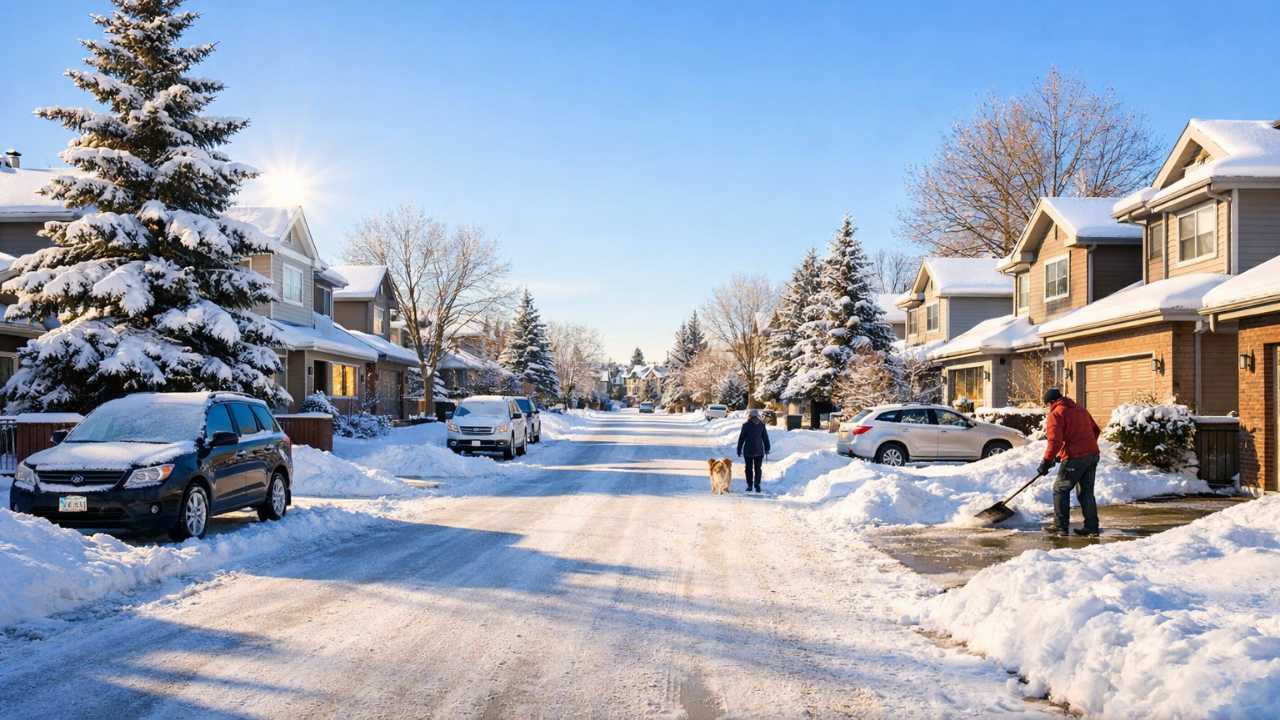
Every January, you’ll receive a property assessment notice that tells you what your home is estimated to be worth for tax purposes. Municipal assessors estimate this value based on recent sales and characteristics of your property, including location, size, age and any renovations or improvements. This assessed value is not always the same as what you paid for the home, and it may be different from current market values.
If you think your assessment is inaccurate, you have the right to review it and, if necessary, ask for an assessment review through your municipality’s appeal process.
How are Alberta property taxes calculated?
Your property tax bill isn’t a fixed amount — it’s calculated each year using two main parts:
- Municipal assessment value × municipal tax rate
plus - Municipal assessment value × provincial education tax rate
| Portion | How it’s calculated | Who sets the rate | What it funds |
|---|---|---|---|
| Municipal | Assessment value × municipal tax rate | Your city or municipality, annually | Roads, police, fire protection, parks, transit and local infrastructure |
| Provincial education | Assessment value × provincial education tax rate | The Province of Alberta, annually | The Alberta School Foundation Fund, which supports education province-wide |
| Your bill | The two portions added together | Billed once a year by your municipality | Payable as a lump sum, in monthly instalments, or through a lender tax account |
Both rates are set annually based on budgets and financial needs. For example, the City of Calgary multiplies your assessed value by its tax rate and includes the provincial education portion on the same bill.
Put simply:
- A higher assessment value usually means higher taxes
- Higher municipal or provincial tax rates also increase your bill
- Changing tax rates or property values mean your tax bill can go up or down year to year
There are online calculators available from municipalities like Calgary and Edmonton that let you estimate what your property tax bill might look like based on your assessment value.
What do Alberta property taxes actually fund?
Your tax dollars support services you rely on daily — things like snow clearing on roads, public safety, parks and libraries — but also the provincial portion that goes into the Alberta School Foundation Fund to support education across the province.
How should I plan for property taxes as a homebuyer?
If you’re buying your first home, knowing how property taxes work helps you budget more accurately. Most mortgage lenders will want assurance that you can cover your property taxes. You can pay for your property tax in one lump sump or in monthly instalments, or through a separate account where you pay monthly into tax savings held by the lender (called an escrow or tax account). Planning for this cost is as important as knowing your mortgage payment.
What should I do if my property tax bill changes?
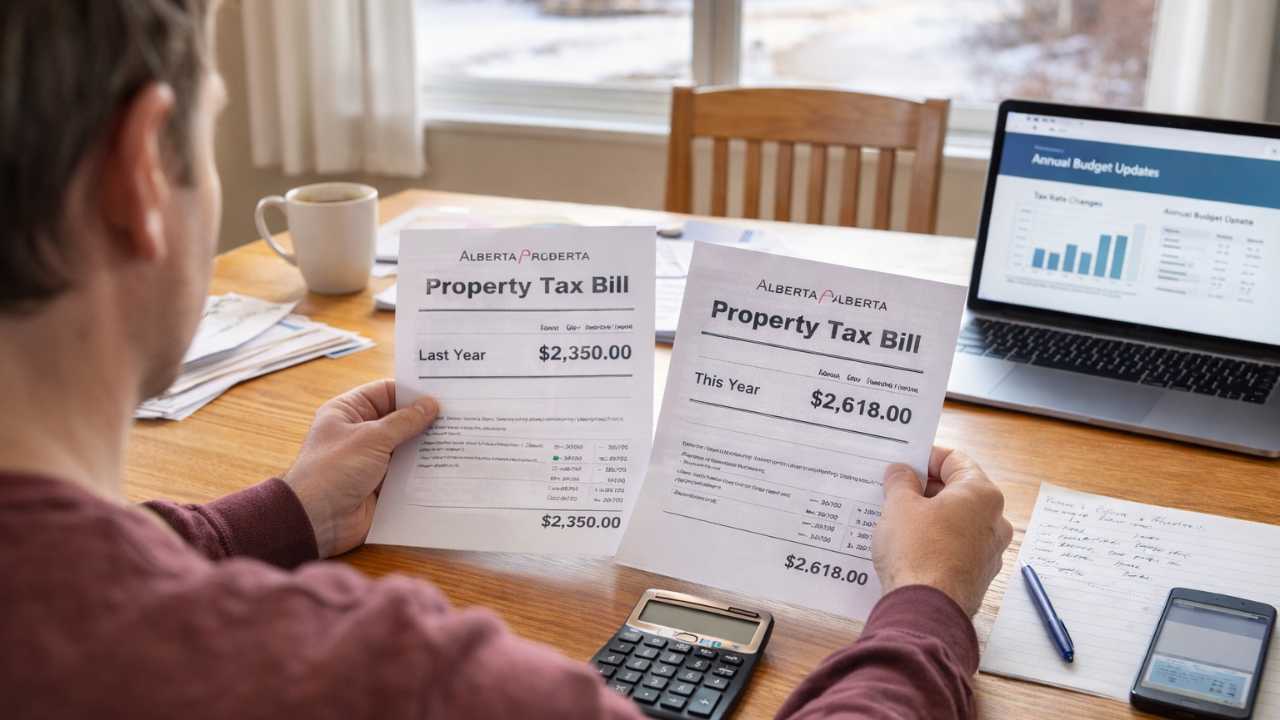
It’s common to see changes in your tax bill from one year to the next. This can happen because of:
- Changes in your property’s assessed value
- Changes in municipal budget needs
- Adjustments to the provincial education tax rate
Because tax rates change each year, especially during budget planning, it’s worth keeping an eye on municipal announcements in the late winter and spring when budgets and rates are finalized.
My advice as a mortgage broker
Property taxes are a regular part of home ownership in Alberta, but understanding how they’re calculated helps you feel confident and prepared. If you have questions about how your property tax might affect your mortgage or monthly cash flow, that’s something I’m happy to talk through with you. Budgeting for taxes early can help avoid surprises down the road.
If you want help interpreting your assessment notice or figuring out what your taxes might be next year, let’s connect — I’m here to help Alberta homebuyers and homeowners make informed decisions.
How an Alberta mortgage broker helps with property taxes
Property taxes aren’t just a civic bill — they’re a line in every lender’s affordability calculation. Here’s where we come in:
- We build the tax estimate into your qualifying numbers up front, so your approval reflects the real cost of owning the home.
- We explain the choice between paying the municipality yourself or letting the lender collect it — and which lenders insist on the second.
- We flag when a tax account changes your monthly payment, so the number on your budget is the number that leaves your bank account.
- We help you read an assessment notice and understand what it does and doesn’t say about what your home is worth.
- We look at whether tax arrears need to be cleared before a purchase, refinance or renewal can close.
- We work with buyers and homeowners across Calgary, Edmonton and all of Alberta.
Build the taxes into your plan, not into a surprise
Let’s put a realistic property tax figure into your budget before you buy, refinance or renew.
Apply Online → Book a Discovery Call → Serving Calgary, Edmonton & all of Alberta · Mortgages for Less with INDI MortgageAlberta property tax questions homeowners ask
How are property taxes calculated in Alberta?
What do Alberta property taxes pay for?
When do I get my property assessment notice?
Is my assessed value the same as what I paid for my home?
Can I dispute my property assessment in Alberta?
Why did my property tax bill go up this year?
Can I pay my property taxes through my mortgage?
This article is general information for Alberta homebuyers and homeowners, not financial, mortgage, tax or legal advice. Municipal and provincial education tax rates, assessment practices, payment options and lender policies vary by municipality and change from year to year — confirm the details with your own municipality. Any mortgage is subject to lender approval. Please speak with a licensed mortgage professional about your specific situation. Mortgages for Less with INDI Mortgage.