By Josh Tagg, mortgage broker · Mortgages for Less with INDI Mortgage · Calgary, serving all of Alberta ·
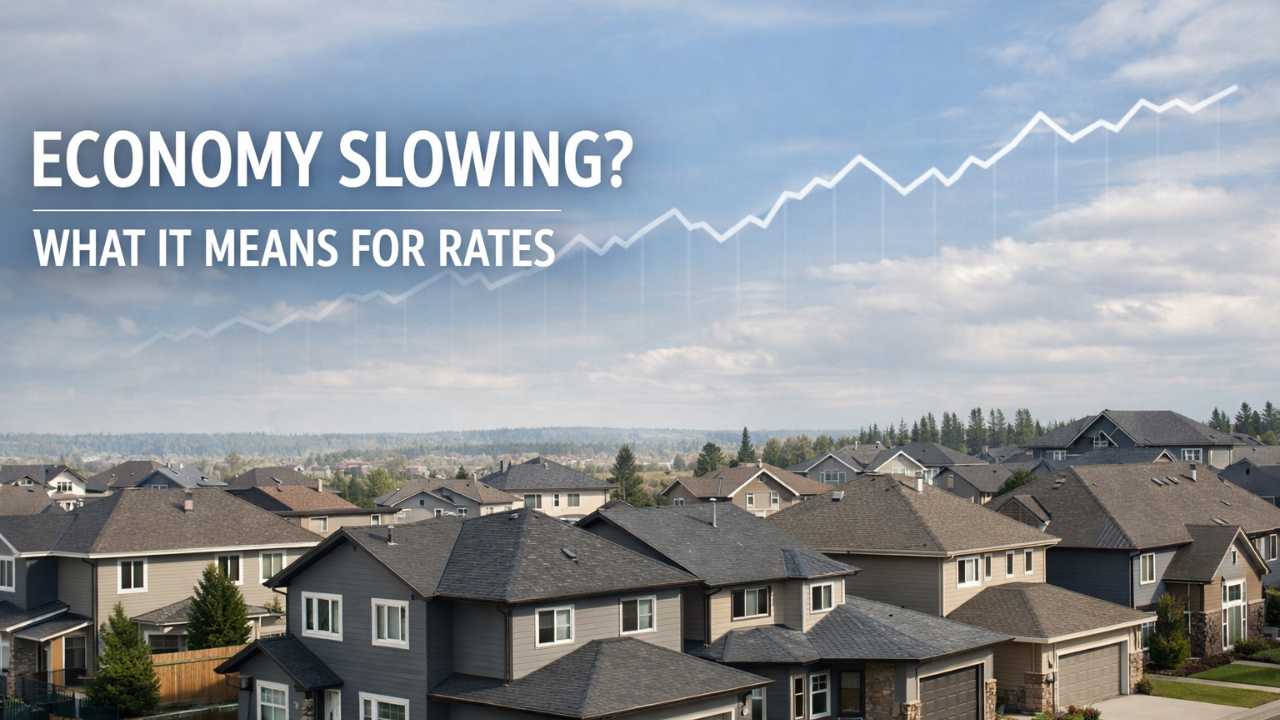
We’ve been hearing some talk about a possible recession in Canada. Slower job growth, weaker economic data, and global uncertainty are all making headlines.
As a mortgage broker in Alberta, I’m here to answer these questions:
Are we actually heading into a recession?

Right now, the Canadian economy is showing mixed signals.
On one hand, some recent data has been weak. We’ve seen drops in exports, manufacturing activity, and even employment. That tells us the economy has slowed down at the start of the year.
On the other hand, we are not clearly in a recession. Consumer confidence has been improving, and business outlook surveys are still relatively strong. That means people and businesses are not acting like we are in a major downturn.
So where does that leave us? At this point, it’s fair to say the economy is slowing, but not collapsing. A recession is possible, but it is not guaranteed.
Why do oil prices matter more than you think?
One of the biggest factors right now is oil. Canada is a major energy exporter, and higher oil prices can actually be good for our overall economy. That is especially true here in Alberta, where energy plays a big role in jobs and growth.
But there is a trade-off.
Higher oil prices can also push inflation higher. When fuel costs rise, it affects transportation, groceries, and many everyday expenses. And inflation is what drives interest rate decisions.
What is the Bank of Canada likely to do?
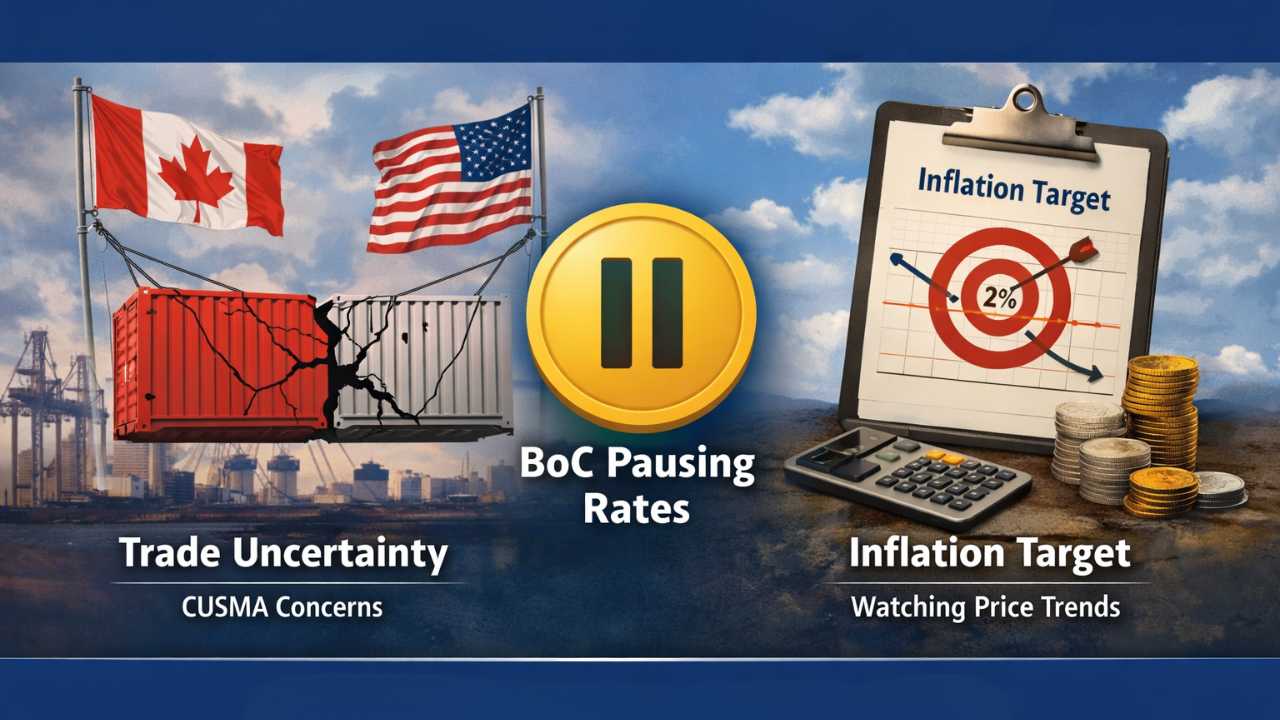
The Bank of Canada is in a tricky position right now. On one side, the economy is showing signs of weakness. Normally, that would support lower interest rates. On the other side, higher oil prices and global uncertainty could keep inflation from falling as quickly as expected.
Because of this, most experts expect the Bank to hold rates steady for now rather than making big moves. Markets have priced in some possibility of rate increases, but that is not the most likely scenario unless inflation picks up more than expected.
Why can fixed mortgage rates still move?
Even if the Bank of Canada holds its rate, that does not mean mortgage rates stay the same. Fixed mortgage rates are driven more by bond yields, not directly by the Bank of Canada.
Right now, bond yields have been rising because markets are worried about inflation and global risks. That can push fixed rates higher, even when the central bank is not increasing its policy rate.
So what does that mean for you? It means we could still see some upward pressure on fixed mortgage rates in the short term, even without a rate hike.
What does this mean for Alberta homebuyers?
If you’re thinking about buying a home in Alberta, this environment actually creates some opportunities. In many parts of Canada, housing markets are slowing down. But Alberta has been more stable, partly because of stronger economic support from the energy sector.
At the same time, uncertainty is keeping some buyers on the sidelines. That can mean less competition, more negotiating power, and better opportunities if you’re prepared. The key is understanding that rates may not drop quickly, and waiting for the “perfect moment” can be risky.
What does this mean if you already own a home?

For homeowners, especially those with upcoming renewals, the biggest takeaway is this: plan ahead. Even if rates stay relatively stable, they are still much higher than what many people were used to during the pandemic.
That means your payment could increase at renewal, and it is important to understand your options early. This could include adjusting your term, looking at different lenders, or restructuring your mortgage to fit your budget.
What’s my advice right now?
We are in a period of uncertainty, but not panic. The economy is slowing, but not breaking. The Bank of Canada is being cautious. And mortgage rates are being influenced by more than just one factor. If you are buying, focus on what you can afford comfortably rather than trying to time the market perfectly. If you are renewing, start the conversation early so you have options.
And if you are unsure what to do, that’s where I come in. I spend every day watching these trends and helping clients make decisions based on their situation, not just headlines. If you want to talk through your plan, I’m always happy to help.
How an Alberta mortgage broker helps when the economy is uncertain
You can’t control the Bank of Canada or the bond market. You can control how prepared you are:
- We watch bond yields and lender rate sheets daily, so you hear about fixed-rate moves before they show up in your quote.
- We can hold a rate while you shop or approach renewal, so upward pressure on fixed rates doesn’t catch you mid-process.
- We compare terms and lenders side by side at renewal instead of letting your current lender’s offer become the default.
- We look at restructuring options — term length, amortization, consolidating debt — when a higher renewal payment would strain your budget.
- We build a purchase budget around what you can comfortably afford, not a guess about where rates go next.
- We work across Calgary, Edmonton and all of Alberta, with access to multiple lenders rather than one bank’s single answer.
Buying or renewing in Alberta?
Let’s put your plan in front of today’s real rates — what you qualify for, what your renewal could look like, and your options either way.
Apply Online → Book a Discovery Call → Serving Calgary, Edmonton & all of Alberta · Mortgages for Less with INDI MortgageRecession and mortgage rates: common questions
Is Canada heading into a recession?
Will the Bank of Canada cut or raise rates?
Can fixed mortgage rates rise even if the Bank of Canada holds?
Why do oil prices matter for mortgage rates?
Should I wait to buy a home in Alberta until rates drop?
What should I do if my mortgage renewal is coming up?
This article is general information for Alberta homebuyers and homeowners, reflecting economic conditions at the time it was written. It is not financial, mortgage, tax or legal advice, and it is not a forecast of future interest rates. Rates, lender policies and economic conditions change, and any mortgage is subject to lender approval. Please speak with a licensed mortgage professional about your specific situation. Mortgages for Less with INDI Mortgage.