By Josh Tagg, mortgage broker · Mortgages for Less with INDI Mortgage · Calgary, serving all of Alberta ·
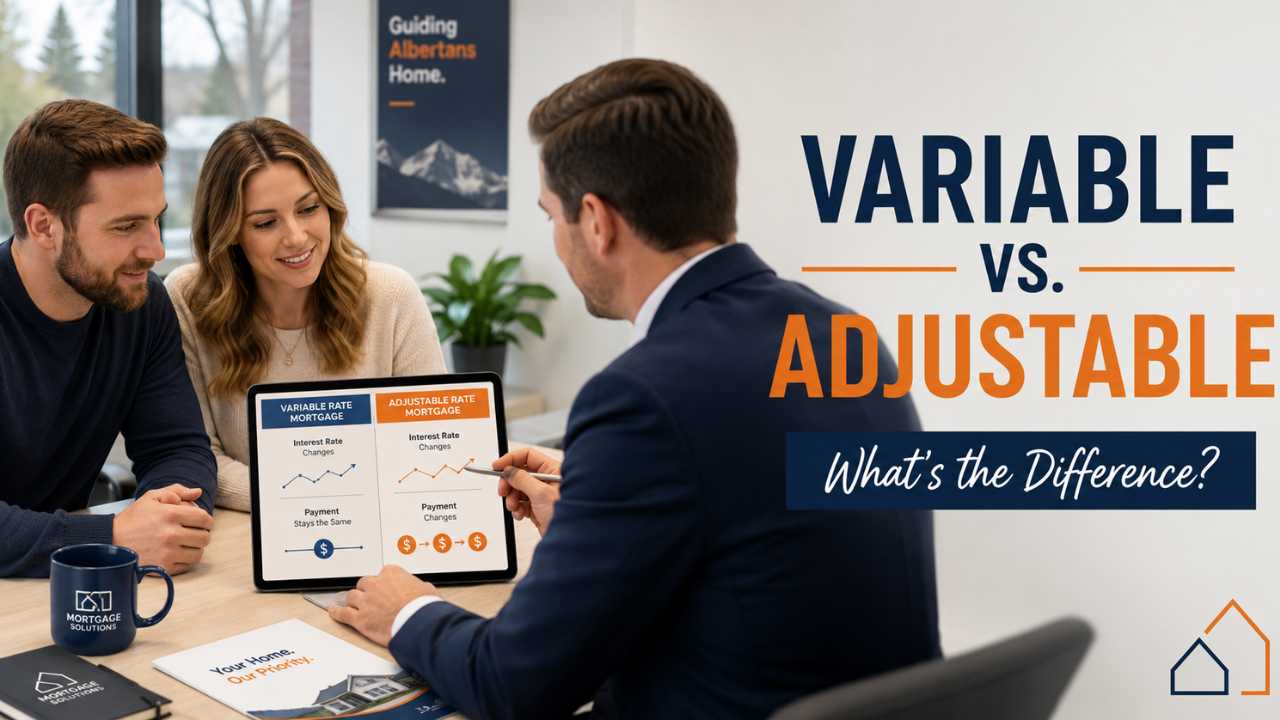
Many homebuyers assume that a variable-rate mortgage and an adjustable-rate mortgage are the same thing. They’re not.
While both types of mortgages are tied to changes in a lender’s prime rate, they work differently when interest rates move. Understanding the difference can help you choose the mortgage that best fits your budget and comfort level.
What is a variable-rate mortgage?

With a traditional variable-rate mortgage, your interest rate changes whenever your lender changes its prime rate. However, your mortgage payment typically stays the same.
When rates fall, more of your payment goes toward paying down the mortgage principal and less goes toward interest. When rates rise, more of your payment goes toward interest and less goes toward principal. The amount you pay each month usually remains unchanged unless rates rise significantly.
Many borrowers appreciate the stability of knowing exactly what their payment will be each month, even though the balance between interest and principal changes over time.
What is an adjustable-rate mortgage?
An adjustable-rate mortgage also follows changes in prime rate, but the payment changes whenever rates change.
If rates increase, your payment increases. If rates decrease, your payment decreases. Because the payment adjusts immediately, your mortgage stays on its original amortization schedule.
Many lenders now offer adjustable-rate mortgages instead of traditional variable-rate mortgages. While the rates may appear similar, the payment experience can be very different.
| Variable-rate mortgage | Adjustable-rate mortgage | |
|---|---|---|
| What follows prime | The interest rate | The interest rate |
| Your monthly payment | Typically stays the same | Changes whenever rates change |
| When rates rise | More of the payment goes to interest, less to principal | The payment increases |
| When rates fall | More of the payment goes to principal | The payment decreases |
| Amortization | Can be extended if rates rise | Stays on its original schedule |
| Trigger rate risk | Yes — applies to fixed-payment variable mortgages | Avoided, because the payment moves |
| Best fit | Borrowers who want a predictable payment | Borrowers who want to stay on schedule |
What does that look like in an example?
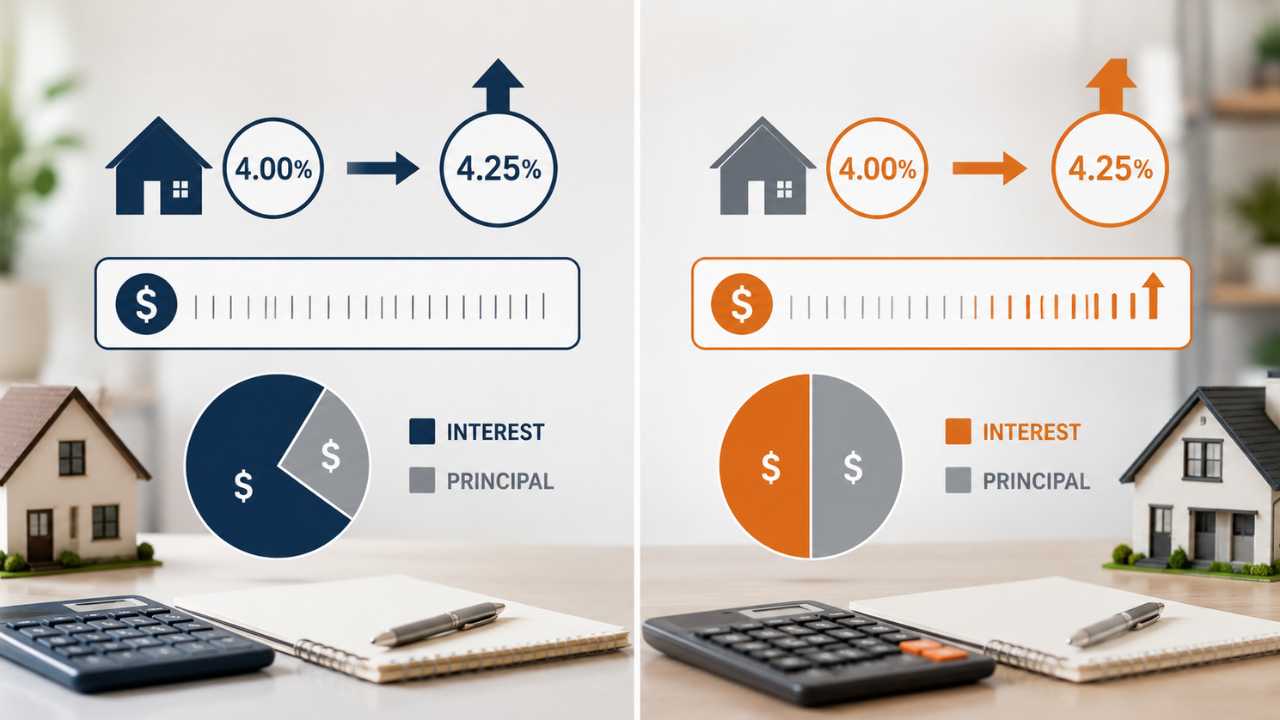
Let’s assume you have a $500,000 mortgage with an interest rate of 4.00%.
If rates increase by 0.25%, a traditional variable-rate mortgage would usually keep the payment the same. More of the payment would go toward interest and less toward principal, which could slow down how quickly the mortgage is paid off.
With an adjustable-rate mortgage, the payment would increase to keep the mortgage on schedule. The interest rate change is the same in both cases. The difference is how the lender handles the payment.
What is a trigger rate, and who does it affect?
Many Canadians became familiar with trigger rates during the rapid rate increases of 2022 and 2023.
A trigger rate occurs when so much of a variable mortgage payment is going toward interest that little or none is going toward principal. At that point, the lender may require a payment increase, a lump-sum payment, or other changes to bring the mortgage back on track.
This situation generally applies to traditional variable-rate mortgages with fixed payments. Adjustable-rate mortgages avoid this issue because the payment changes whenever rates move.
Which option is better?
Neither option is automatically better. The right choice depends on your preferences and financial situation.
A traditional variable-rate mortgage may appeal to borrowers who prefer stable monthly payments. Even if rates change, your payment usually stays the same.
An adjustable-rate mortgage may appeal to borrowers who want their mortgage to remain on its original amortization schedule. The trade-off is that payments can rise or fall whenever interest rates change.
What happens when rates fall?

When rates decrease, both mortgage types benefit.
With a variable-rate mortgage, the payment usually stays the same, but more of each payment goes toward principal. This can help you pay off your mortgage faster. With an adjustable-rate mortgage, the payment decreases, improving monthly cash flow while keeping the amortization unchanged.
Some borrowers prefer seeing a lower payment when rates fall, while others like knowing the savings are helping them become mortgage-free sooner.
What should Alberta homeowners ask before signing?
Many Alberta homeowners are currently deciding between fixed and variable rates as they approach renewal. If you’re considering a variable option, it’s important to understand whether the lender is offering a traditional variable-rate mortgage or an adjustable-rate mortgage.
Different lenders use different terminology, and many borrowers don’t realize there is a difference until rates begin moving. Before signing a mortgage commitment, ask whether your payment will change if prime rate changes and how your amortization could be affected if rates rise.
My advice: which one should you choose?

Variable-rate and adjustable-rate mortgages both move with prime rate, but they handle payment changes differently. A traditional variable-rate mortgage generally keeps the same payment while adjusting how much goes toward interest and principal. An adjustable-rate mortgage changes the payment whenever rates move in order to keep the mortgage on schedule.
Neither option is right for everyone. The key is understanding how each product works and choosing the one that best fits your budget, financial goals, and comfort level with changing payments. Contact me if you have more questions or if you want free personalized advice.
How an Alberta mortgage broker helps you pick between variable and adjustable
The rate on the quote rarely tells you which of the two products you’re being offered. That’s the part we pin down:
- We confirm, in writing, whether your payment changes when prime changes — the single question that separates the two products.
- We check how your amortization behaves if rates rise, so a rising-rate stretch doesn’t quietly add years to the mortgage.
- We explain where a trigger rate could apply to you, and what the lender can require if you reach it.
- We match the product to how much payment movement you can actually live with, not just the rate on the sheet.
- We compare lender terminology across multiple lenders, because the same word means different things at different institutions.
- We look at this alongside fixed options at renewal, so the comparison is the whole set, not two of three.
Renewing and weighing a variable option?
We’ll tell you which product each lender is actually offering, what happens to your payment when prime moves, and how it compares to a fixed rate today.
Apply Online → Book a Discovery Call → Serving Calgary, Edmonton & all of Alberta · Mortgages for Less with INDI MortgageVariable vs adjustable: common questions
What is the difference between a variable-rate and an adjustable-rate mortgage?
What happens to a variable-rate mortgage when rates rise?
What happens to an adjustable-rate mortgage when rates rise?
What is a trigger rate?
Which option is better, variable or adjustable?
What happens to each type when rates fall?
What should I ask my lender before signing a variable mortgage in Alberta?
This article is general information for Alberta borrowers, not financial, mortgage or legal advice. The rates and figures used above are examples only. Product features, terminology and trigger-rate mechanics vary by lender and change over time, and any mortgage is subject to lender approval. Please speak with a licensed mortgage professional about your specific situation. Mortgages for Less with INDI Mortgage.