By Josh Tagg, mortgage broker · Mortgages for Less with INDI Mortgage · Calgary, serving all of Alberta ·
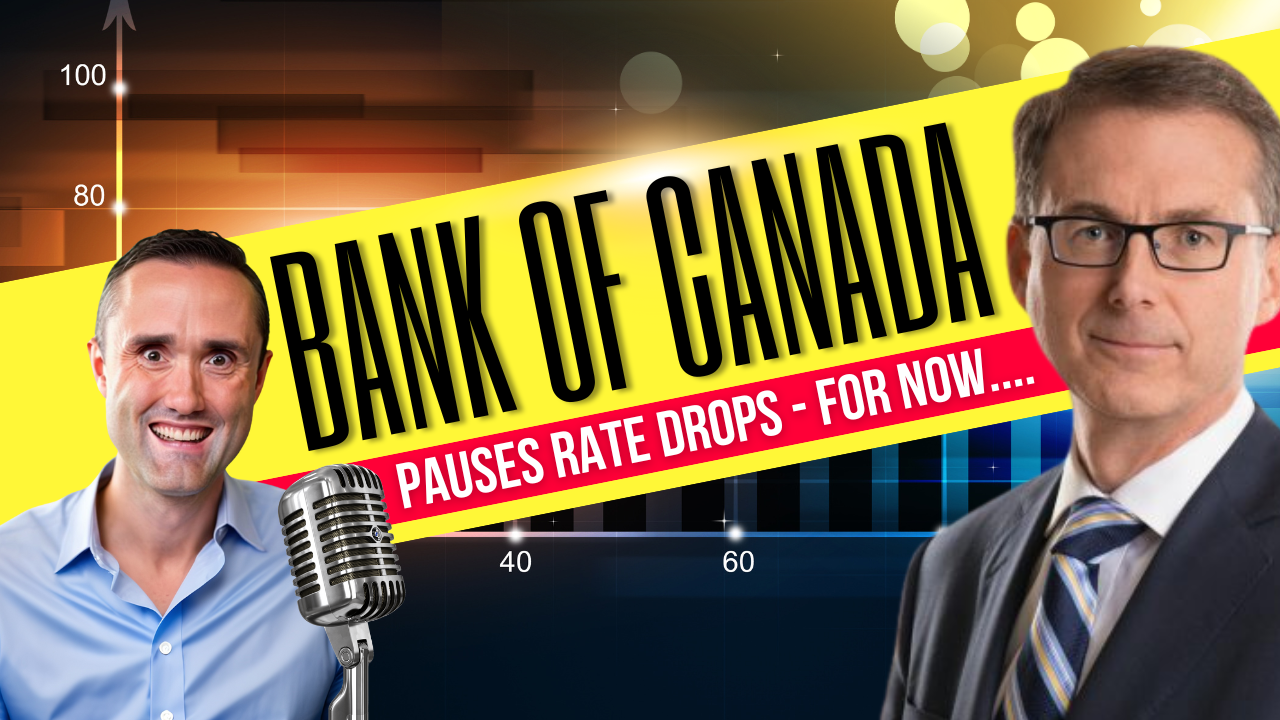
It Was a Coin Toss — But the Bank of Canada Held the Rate at 2.75%
While the Bank of Canada held its policy rate steady at 2.75% today, the tone of its announcement told a different story. This wasn’t a hawkish hold. In fact, it was quite dovish. And that shift in messaging has big implications for Canadian mortgage holders and the broader economy.
What did the Bank of Canada say?

We’re living in uncertain economic times—something the Bank emphasized clearly in today’s announcement. The biggest driver of this uncertainty? Escalating and unpredictable U.S. trade policy decisions.
Rather than offering a single economic projection, the Bank broke from tradition and released two possible scenarios in its Monetary Policy Report:
- Scenario 1: Trade tensions de-escalate and are gradually resolved, resulting in only a modest economic slowdown.
- Scenario 2: Trade wars deepen, leading to a global recession and a sharp impact on the Canadian economy.
At this moment, the Bank says we are “somewhere in between.”
What economic data was behind the decision?
Why the caution? A closer look at Canada’s latest economic indicators gives us the answer.
- Inflation: Headline inflation fell to 2.3% in March. That’s within the Bank’s target range, but businesses and consumers still expect higher prices ahead due to rising tariffs.
- Employment: Canada lost 33,000 jobs in March—most of them full-time—and wage growth is showing signs of weakening.
- Household Spending: Consumers are pulling back, and business investment is stuck in neutral. Both signal a broader economic slowdown.
What are the two paths the Bank is preparing for?
The Bank of Canada’s message is clear: it’s too soon to pick a direction. That’s why it’s preparing for two very different outcomes.
Scenario 1: A Soft Landing
In this more optimistic scenario, trade tensions cool off and GDP growth slows temporarily before rebounding. Inflation stays close to 2%, and gradual rate cuts could follow to support the economy—bringing relief to mortgage holders and first-time buyers alike.
Scenario 2: A Global Recession
This path assumes a deepening trade war that pushes Canada into recession by 2025. Inflation would rise above 3%, driven by global supply chain disruptions and tariff-related cost increases. In this case, the Bank would face a much harder balancing act between inflation control and economic stimulus.
Because of this uncertainty, the Bank is not committing to a clear rate path. Instead, it’s watching closely to see how tariffs impact consumer confidence, employment, and investment decisions.
The Bank of Canada’s two April 2025 scenarios
| Scenario 1: soft landing | Scenario 2: global recession | |
|---|---|---|
| Trade tensions | Cool off and are gradually resolved | Trade war deepens |
| Growth | Slows temporarily, then rebounds | Canada pushed into recession |
| Inflation | Stays close to 2% | Rises above 3% |
| Rates | Gradual cuts could follow | A harder balance between inflation and stimulus |
What does this mean for mortgage rates?
So what does all of this mean for your mortgage or upcoming renewal?
Even though the policy rate stayed at 2.75% today, many economists—including those at Capital Economics and BMO—believe we’ll see rate cuts later this year. Some expect the rate could fall as low as 2.00% by the end of 2025.
If You Have a Variable-Rate Mortgage:
Lower rates could be coming. If the Bank cuts this summer, your payments may decrease.
If You’re Renewing This Year:
Competitive offers could become more attractive as rates ease and lenders compete for market share.
If You’re Planning to Buy a Home:
Improved affordability could be on the horizon, but don’t wait too long—once confidence returns, housing demand (and prices) could pick up quickly again.
What’s the takeaway? Stay ready, stay informed
Today’s rate hold doesn’t change the fact that monetary policy is leaning dovish. The Bank of Canada is signaling flexibility and a willingness to stimulate the economy if the global situation deteriorates further.
The next rate announcement is scheduled for June 4, 2025, and a cut is still very much in play.
If you’re wondering how to navigate this rate environment—whether you’re buying, renewing, or refinancing—let’s connect. Having a plan in place could save you thousands.
Until next time, stay informed—and stay ready.
How an Alberta mortgage broker helps when the Bank of Canada holds
A hold with a dovish tone is a signal, not a decision. Here’s how we help you act on it:
- Show a variable-rate borrower what a cut would do to their payment.
- Start renewal shopping early and compare lenders competing for your file.
- Get buyers pre-approved with a rate hold, so they’re ready before demand picks up.
- Work with buyers and homeowners in Calgary, Edmonton and across Alberta.
Buying, renewing or refinancing?
Get a plan in place built around your numbers and where rates are heading.
Apply Online → Book a Discovery Call → Serving Calgary, Edmonton & all of Alberta · Mortgages for Less with INDI MortgageQuestions about the April 2025 Bank of Canada hold
Did the Bank of Canada change rates in April 2025?
What were the Bank of Canada’s two scenarios?
What economic data made the Bank cautious?
Were rate cuts expected later in 2025?
What does a dovish hold mean for a variable-rate mortgage?
What does it mean for renewals and home buyers?
This article was written in April 2025, around the Bank of Canada’s April 16, 2025 announcement; the quick answer, stat strip, scenario table, FAQ and image caption were added later. Rates, market conditions and lender policies change. This is general information, not financial advice; please speak with a licensed mortgage professional about your specific circumstances. Mortgages for Less with INDI Mortgage.