
By Josh Tagg, mortgage broker · Mortgages for Less with INDI Mortgage · Calgary, serving all of Alberta ·
The Canada Mortgage and Housing Corporation (CMHC) recently warned that regulatory challenges, labour shortages, infrastructure constraints, and rising construction costs are making it difficult for builders to deliver enough new homes in many markets.
But Edmonton continues to stand out from much of the country.
While some major cities are seeing housing starts decline, Edmonton has remained one of Canada’s strongest markets for new home construction.
What are housing starts, and why do they matter?
A housing start occurs when construction begins on a new home. Housing starts are closely watched because they provide an early indication of future housing supply. More housing starts generally mean more homes will become available in the coming months and years.
When housing starts fall significantly, it can contribute to future supply shortages and place upward pressure on home prices.
How strong were Edmonton’s housing starts?
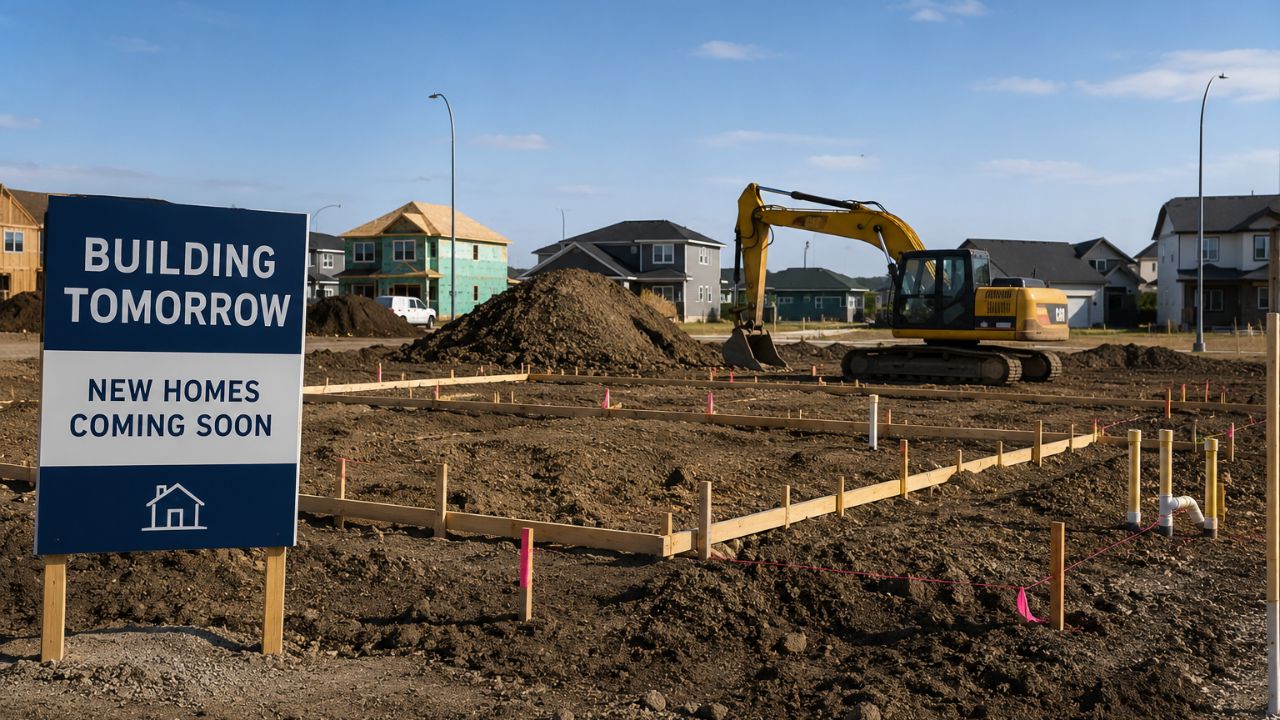
Edmonton experienced a remarkable year for new construction in 2025. The city recorded more than 21,000 housing starts, making it one of the strongest-performing major housing markets in Canada.
A large portion of that growth came from multi-family housing, including apartments, condos, and townhomes. Builders have responded to strong population growth and continued demand from both homebuyers and renters.
Compared to many other Canadian cities, Edmonton remains one of the few large markets where new housing can still be built at relatively affordable price points.
Why has Edmonton been different from the rest of the country?
Several factors have helped Edmonton maintain strong construction activity.
Relative Affordability — Compared to markets such as Toronto and Vancouver, Edmonton homes remain significantly more affordable. That affordability continues to attract first-time buyers, investors, and Canadians relocating from other provinces.
Population Growth — Alberta has experienced some of the strongest population growth in Canada over the past several years. Many newcomers to the province choose Edmonton because of its lower housing costs and strong employment opportunities. More people moving to the city creates demand for both ownership and rental housing.
Available Land — Unlike some major urban centres that face significant land constraints, Edmonton still has room to expand. This allows builders to continue bringing new communities and housing projects to market.
Are Edmonton housing starts slowing down?
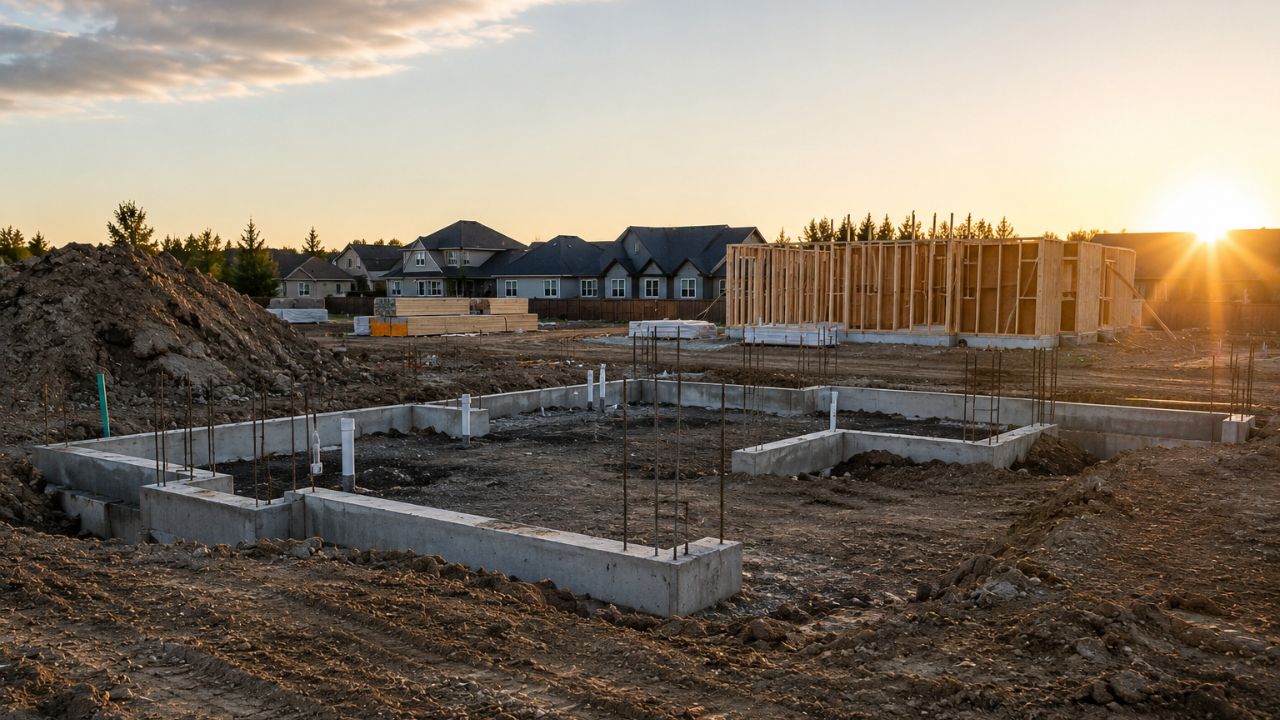
The answer is yes—but not everywhere.
After two exceptionally strong years, many industry forecasts expect Edmonton housing starts to moderate somewhat during 2026. However, a moderation from record levels is very different from a collapse.
Most forecasts still expect construction activity to remain historically strong compared to long-term averages. In other words, Edmonton appears to be moving from “exceptionally hot” to simply “healthy.”
What does strong construction mean for Edmonton buyers?
For homebuyers, strong housing construction is generally good news. More housing supply can:
- Create more options for buyers
- Reduce competition on some properties
- Help limit future price increases
- Support a healthier and more balanced market
At the same time, Edmonton continues to experience strong population growth, which means demand remains high. That’s one reason many economists still expect Edmonton home prices to remain relatively resilient even as more housing is built.
My take: why does supply matter as much as the rate?

One of the reasons I’ve remained optimistic about Edmonton’s housing market is that the city continues to do something many Canadian markets struggle with: add new housing supply.
No market is perfect, and challenges such as construction costs, labour shortages, and municipal approval timelines still exist. But compared to many major Canadian cities, Edmonton has done a better job of bringing new homes to market while remaining relatively affordable. For buyers considering entering the market, that’s an encouraging sign.
The city is continuing to grow, builders are continuing to build, and Edmonton remains one of the more balanced housing markets in Canada.
If you’re considering buying your first home or upgrading to a larger property, understanding where supply is headed can be just as important as watching mortgage rates. Contact me and I’ll answer any questions you have about the market or about your personal circumstances and goals.
How an Alberta mortgage broker helps you use a supply story
Knowing that Edmonton is still building is only useful if it changes what you actually do. Here is where that gets practical:
- We tell you what you qualify for today, so you know which price points in a growing city are genuinely open to you.
- We explain how new-build financing differs from buying a resale home, including longer timelines between approval and possession.
- We look at rate holds so a long closing on a new build doesn’t leave you exposed if rates move.
- We compare new construction against resale on the actual monthly payment, not just the sticker price.
- We factor in condo and townhome specifics — a large share of Edmonton’s new supply is multi-family, and lenders treat those differently.
- We help you decide whether waiting for more supply is worth it in your situation, instead of guessing.
Thinking about buying in Edmonton?
Let’s put real numbers against what you’re considering — new build or resale — before you start shopping.
Apply Online → Book a Discovery Call → Serving Calgary, Edmonton & all of Alberta · Mortgages for Less with INDI MortgageEdmonton housing starts: common questions
What is a housing start?
How many housing starts did Edmonton record in 2025?
Are Edmonton housing starts slowing in 2026?
Why has Edmonton kept building when other cities have slowed?
Is more housing supply good or bad for buyers?
Will more construction push Edmonton home prices down?
What is CMHC warning about nationally?
This article is general information for Alberta homebuyers, not financial, mortgage, tax or legal advice. Housing-start data and forecasts change, market conditions vary by city and property type, and any mortgage is subject to lender approval. Please speak with a licensed mortgage professional about your specific circumstances. Mortgages for Less with INDI Mortgage.