
By Josh Tagg, mortgage broker · Mortgages for Less with INDI Mortgage · Calgary, serving all of Alberta ·
A new Equifax report shows insolvency volumes in Canada have climbed to their highest level since 2009.
Even more concerning, financial strain among homeowners is rising quickly. As a mortgage broker, I think this is an important reminder for first-time homebuyers. Most people don’t buy a home expecting financial problems later, but many homeowners end up stretched too far financially after underestimating future costs or buying without enough room in their budget.
What did the Equifax report actually find?
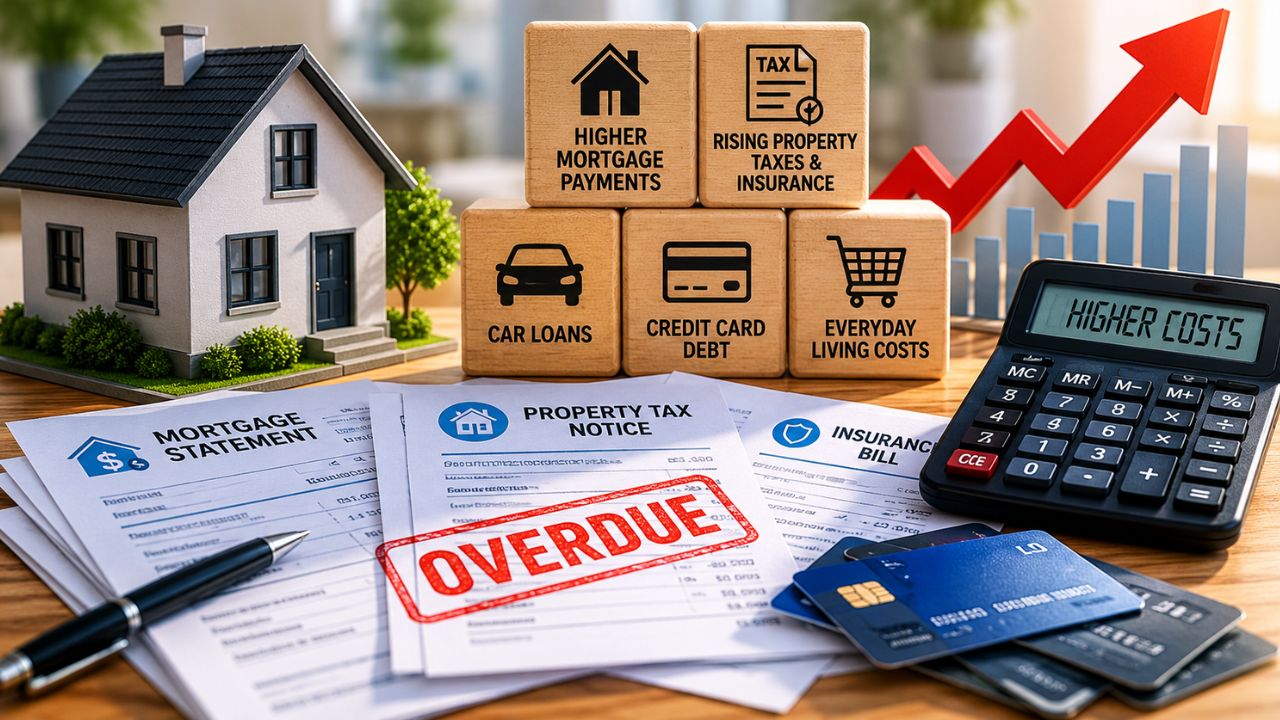
According to Equifax Canada, insolvency volumes rose 18.8% year-over-year in the first quarter of 2026, reaching levels not seen since the financial crisis in 2009. The report also found homeowner insolvencies jumped more than 11% from the previous quarter, while more Canadians are falling behind on both mortgage and non-mortgage debt. Ontario and B.C. are seeing especially sharp increases in missed mortgage payments, and many struggling homeowners are carrying large credit card balances and other loans alongside their mortgages.
What stands out to me is that this is not just about mortgage payments themselves. In many cases, homeowners are getting squeezed from multiple directions at once, including higher mortgage payments at renewal, rising property taxes and insurance costs, car loans, credit card debt, and higher everyday living expenses. When multiple financial pressures pile up at the same time, that’s when stress can quickly become overwhelming.
What is the biggest mistake first-time buyers make?
One of the common mistakes I see is buyers focusing only on whether they can get approved for a mortgage. That’s very different from asking whether the payment will still feel comfortable if life changes later. A lender may approve someone for a certain amount today, but that doesn’t always mean it’s the safest long-term decision for that person’s finances.
Many buyers qualify for the maximum amount the lender will allow. On paper, the numbers technically work, but real life rarely stays perfectly predictable after buying a home. Unexpected expenses happen constantly, whether it’s a furnace repair, rising utility bills, condo special assessments, childcare costs, job changes, or fluctuating income. When buyers leave themselves no breathing room in their monthly budget, even relatively small financial changes can create major stress.
Why do first-time buyers need a buffer?

Many first-time buyers also feel pressure to buy quickly because rent and home prices have increased so much in recent years. That pressure can make people feel like they need to stretch their budget to get into the market. But buying a home should still leave room for everyday life and unexpected expenses.
I often tell buyers that having extra room in the budget matters just as much as the interest rate itself. A slightly smaller home with manageable payments is often far safer than stretching for the absolute maximum approval amount. The goal is not simply getting the keys to a property — it’s remaining financially comfortable after move-in as well.
In my experience, the buyers who handle economic uncertainty best are usually the ones who maintain some emergency savings after closing, keep their monthly obligations manageable, and avoid carrying large amounts of credit card debt and other loans. They also tend to have healthier spending habits before purchasing and leave enough room in their budget for unexpected expenses that come with homeownership.
How does lifestyle inflation create risk after closing?
Another issue I see quite often is buyers upgrading every part of their lifestyle at the same time they purchase a home. After moving in, some people immediately finance furniture, renovations, appliances, vehicles, or vacations, which can create financial pressure very quickly. Individually, those purchases may seem manageable, but together they can dramatically change someone’s monthly cash flow.
The Equifax report noted that many homeowners facing insolvency were also carrying significant non-mortgage debt balances. A mortgage by itself is usually manageable when the rest of the financial picture is healthy. Problems often begin when multiple forms of debt start stacking on top of each other while everyday costs continue rising.
How can first-time buyers protect themselves?
One of the smartest things buyers can do is purchase below their maximum approval amount whenever possible. Just because a lender approves a certain number doesn’t mean you need to spend it all. Leaving extra room in the budget creates flexibility if rates rise later, income changes, or unexpected costs appear after moving in.
I also strongly prefer buyers still have savings remaining after closing. Owning a home without any emergency cushion can become stressful very quickly, especially during the first few years of ownership when unexpected repairs and expenses tend to happen. Buyers should also avoid taking on large new debts before or immediately after closing, since financing furniture, renovations, or vehicles can significantly increase monthly obligations.
It’s also important to think beyond today’s interest rates. Many Canadians who bought during extremely low-rate periods are now renewing into much higher payments, which has created financial strain for some households. Buyers should ask themselves whether today’s payment would still feel manageable if rates were higher in the future. In many cases, focusing on monthly comfort instead of maximizing purchase price leads to far better long-term financial stability.
Does this mean buyers should panic?

It’s important to keep this data in perspective. Most homeowners are still making their payments successfully, and Canada’s banking system is still considered stable compared to many other countries. However, the recent Equifax numbers are still a valuable reminder that affordability matters far beyond the initial approval process.
Buying a home should be a long-term financial decision, not a short-term emotional one. In my experience, the buyers who tend to do best over time are not necessarily the ones who buy the most expensive property they qualify for. More often, they’re the ones who leave themselves room to breathe financially after the purchase and build stability gradually over time. Contact me to talk about your homeownership goals and for no obligation advice.
How an Alberta mortgage broker helps you buy with room to breathe
The maximum approval is the easy number to produce. Here’s the work that keeps you out of the Equifax statistics:
- We show you the maximum and a comfortable number, and we’re candid about the gap between them.
- We stress-test the payment against a higher renewal rate, so you find out now rather than in five years.
- We build in the costs beyond the mortgage — property taxes, insurance, condo fees, utilities and maintenance.
- We look at your car loans and credit card balances and where they’ll sit after closing, not just today.
- We plan for savings left over after closing, because an emergency cushion is part of the purchase, not an afterthought.
- We warn you off new debt around the purchase — the furniture, the vehicle, the renovation — and explain what it does to your file.
Want to know your comfortable number, not just your maximum?
Let’s map the real monthly payment, the costs around it, and what it looks like at renewal — before you start shopping.
Apply Online → Book a Discovery Call → Serving Calgary, Edmonton & all of Alberta · Mortgages for Less with INDI MortgageRising insolvencies and first-time buyers: common questions
How much have Canadian insolvencies risen?
Is the mortgage itself what pushes homeowners into trouble?
What is the biggest mistake first-time buyers make?
Should I buy below my maximum approval amount?
How much should I keep in savings after closing?
Why does lifestyle inflation after moving in matter?
Does this data mean buyers should panic?
This article is general information for Alberta homebuyers, not financial, mortgage, tax, credit-counselling or legal advice. Credit and insolvency data change, lender policies and qualifying rules vary, and any mortgage is subject to lender approval. If you are experiencing financial difficulty, please speak with a licensed insolvency trustee or a non-profit credit counsellor. Please speak with a licensed mortgage professional about your specific circumstances. Mortgages for Less with INDI Mortgage.