Choosing a Realtor is an important part of buying a home. They will help you search, evaluate properties, prepare offers, negotiate, and occasionally talk you out of falling in love with a house because it has a nice kitchen and absolutely nothing else going for it.
There are many good Realtors in Edmonton, but the right one for you should understand your goals, communicate clearly, and know the type of property and area you are considering. I am biased, but I always recommend Jay Lewis at Re/Max Excellence.
Why Does Relevant Experience Matter More Than Years?
Years in the business can be helpful, but relevant experience matters more. A Realtor who mainly sells luxury acreage properties may not be the best choice for a first-time buyer looking at downtown condos.
Ask what kinds of buyers they usually work with and which property types they know best. Depending on your plans, you may want someone experienced with condominiums, new construction, older homes, investment properties, acreages, or surrounding communities.
For condo buyers, knowledge of condo documents, reserve funds, special assessments, and building history is especially important. A low condo fee may look exciting until you discover the building has been postponing every repair since 1998.
How Well Should Your Realtor Know Edmonton?
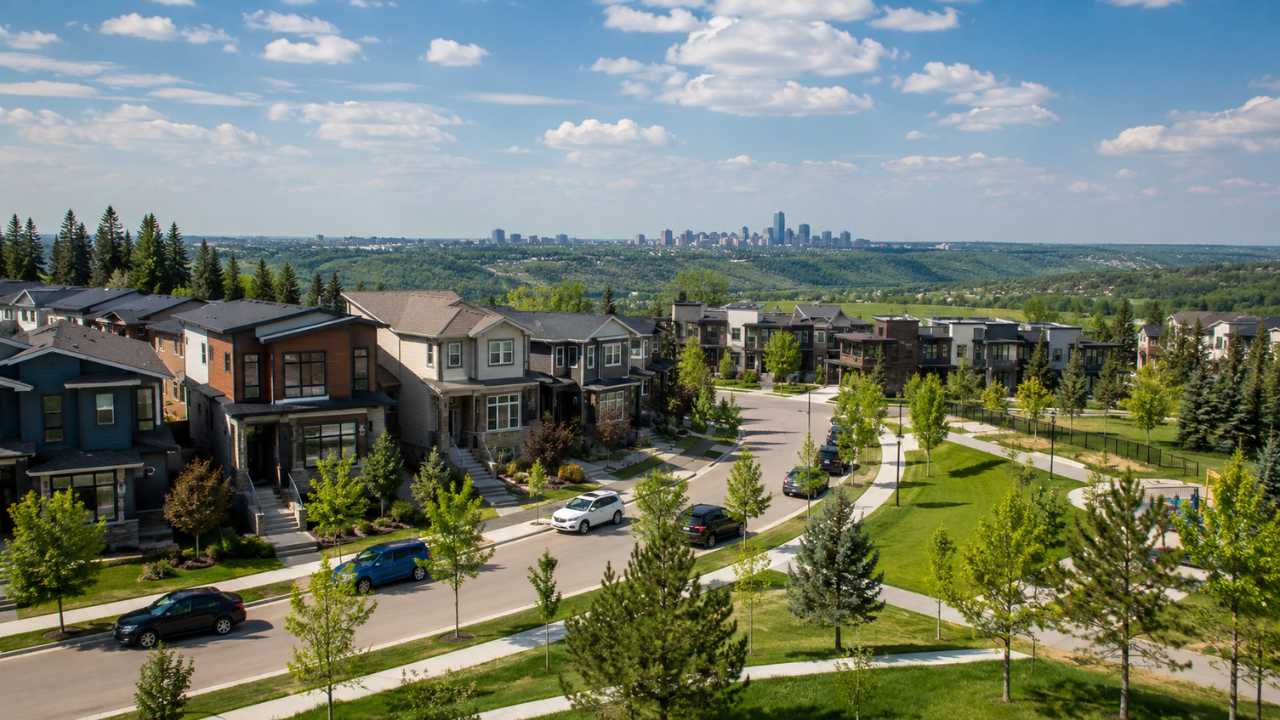
Edmonton is a large and varied market. Conditions can differ by neighbourhood, property type, price range, and even from one side of a major road to the other.
A strong local Realtor should be able to discuss more than whether a neighbourhood is “good.” They should help you consider commute times, schools, transit, future development, resale demand, property taxes, and the age and style of homes in the area.
This also matters when comparing Edmonton with St. Albert, Sherwood Park, Beaumont, Spruce Grove, Fort Saskatchewan, or other nearby communities. A lower purchase price may be appealing, but you should also consider commuting, services, taxes, and whether you really want to spend that much of your life on the Henday.
What Does Good Communication Actually Look Like?
A good Realtor should respond reasonably quickly, but good communication is about more than speed. They should explain things clearly, answer questions directly, and listen to what you are telling them.
Before you begin, ask how showings are arranged, how they normally communicate, and what happens if they are unavailable. You should know whether you will be working directly with them or regularly passed to another team member.
Most importantly, watch whether they respect your priorities. If you say you do not want a fixer-upper and they continue sending homes described as “full of potential,” something may be getting lost in translation.
How Should a Realtor Evaluate a Home?

A Realtor is not a home inspector, but they should help you look beyond the staging and listing photos. They may point out concerns such as visible water damage, aging mechanical systems, grading problems, questionable renovations, or signs that a home has been maintained with duct tape and optimism.
They should also review recent comparable sales and help you understand whether the asking price is reasonable. In a multiple-offer situation, they should explain your options and risks without automatically pushing you to bid beyond your comfort level.
Will They Respect Your Financing Condition?
Your Realtor should understand how financing conditions, deposits, appraisals, and possession dates can affect an offer. They should also be willing to communicate with your mortgage broker when needed.
Be cautious if a Realtor pressures you to remove a financing condition before your lender has properly reviewed the property. A pre-approval is helpful, but the lender still needs to approve the actual home.
How Many Realtors Should You Interview?

You do not need to interview 14 people and create a spreadsheet, but speaking with two or three Realtors can help you compare experience, communication style, and approach.
Ask how they determine offer prices, how they handle competing offers, what could make them advise a buyer to walk away, and whether they require a buyer representation agreement.
The best Realtor is not necessarily the one with the most signs, ads, or social media followers. It is the one who gives honest advice, understands your goals, and helps you make better decisions.
Before you start viewing homes, have your mortgage financing reviewed as well. A good Realtor and a good mortgage broker (like me) should work together, helping you understand both the property and the numbers before you commit. This is exactly what Jay Lewis and I do as the Edmonton Home Team. If you want to get started on a pre-approval or just want some free tailored advice, contact me.
How an Alberta mortgage broker helps you buy in Edmonton
Your Realtor handles the property. Here is the half of the deal I handle:
- We get your financing reviewed before you view homes, so you shop in a price range that will actually be approved.
- We explain what a pre-approval does and does not cover, so nobody talks you into removing a financing condition too early.
- We work through the lender’s view of the specific property — condo documents, age, condition and appraisal — not just your income and credit.
- We shop multiple lenders on terms as well as rate: prepayment privileges, penalties and portability matter more than a few basis points.
- We talk directly to your Realtor on timelines, deposits and possession dates so the offer is written with the financing in mind.
- We compare Edmonton with the surrounding communities on the numbers — purchase price, property taxes and commuting cost, not just the list price.
Getting ready to buy in Edmonton?
Get the financing sorted before you start viewing homes, so your Realtor can write a confident offer when the right one comes up.
Apply Online → Book a Discovery Call → Serving Calgary, Edmonton & all of Alberta · Mortgages for Less with INDI MortgageChoosing an Edmonton Realtor: common questions
What should I look for when choosing a Realtor in Edmonton?
How many Realtors should I interview before choosing one?
What should an Edmonton Realtor know about the local market?
What should I ask a Realtor about buying a condo?
Can a Realtor tell me if a home has problems?
Should I remove my financing condition if my Realtor asks me to?
Should I talk to a mortgage broker before or after I find a Realtor?
This article is general information for Alberta homebuyers, not financial, mortgage, real estate or legal advice. Market conditions, property taxes and lender guidelines vary and change over time, and every mortgage is subject to lender approval. Please speak with a licensed mortgage professional and a licensed real estate professional about your specific circumstances. Mortgages for Less with INDI Mortgage.