
Secondary suites are becoming a much bigger part of Calgary’s housing market.
The City of Calgary says there are now roughly 26,000 registered secondary suites, double the approximately 13,000 on the registry in 2024. The growth has been helped by streamlined approvals and a City incentive program that offered qualifying homeowners up to $10,000 toward creating or legalizing a suite.
As of August 5, Calgary has also made secondary suites a permitted use in low-density residential districts. In practical terms, that removes one potential planning hurdle for homeowners whose projects meet the applicable rules. For homebuyers, however, there is another question worth asking: can the income from that basement suite actually help you qualify for the mortgage? The answer is yes — sometimes quite significantly — but it isn’t quite as simple as adding the expected rent to your salary.
Are Calgary buyers actively looking for homes with suites?
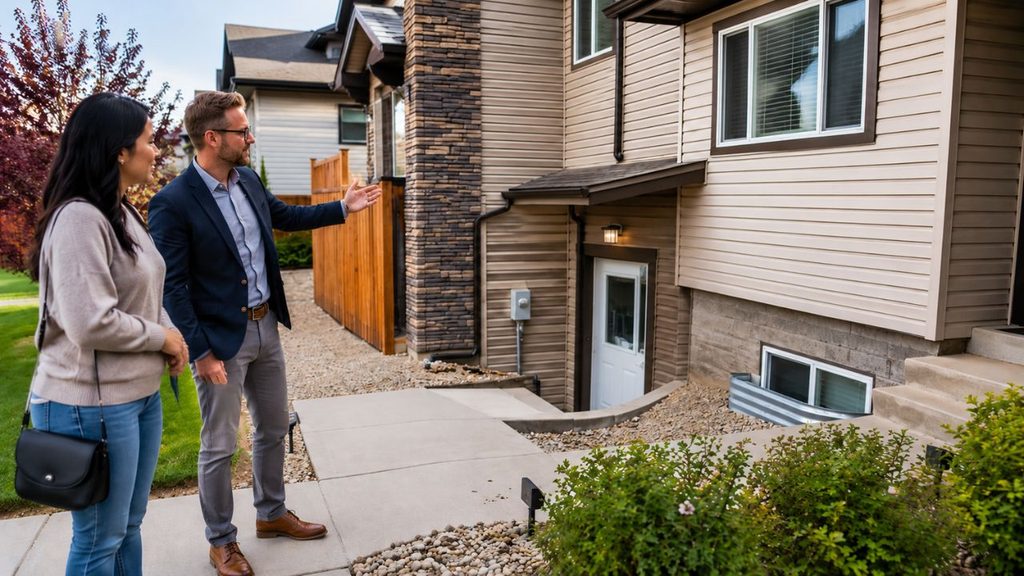
Secondary suites aren’t just something homeowners think about adding later. CMHC’s 2026 Mortgage Consumer Survey found that 21% of mortgage consumers had a secondary suite. Among homebuyers who had one, 65% said the suite was an important factor when choosing their home.
That doesn’t surprise me. For a first-time buyer trying to make the numbers work in Calgary, a home with a basement suite may offer something a similar home without one doesn’t: another source of income to help offset the mortgage. But there is an important distinction between rent helping you make your monthly payment and rent helping you qualify for the mortgage in the first place.
Can a lender use the suite’s rental income to qualify you?
Mortgage insurers have specific methods for including rental income when qualifying borrowers. For example, CMHC allows up to 100% of gross rental income to be considered on an owner-occupied two-unit property when the property being purchased is the subject of the mortgage application. Other situations can be treated differently, including properties with three or four units and non-owner-occupied properties.
Sagen similarly allows 100% of rental income for qualifying owner-occupied two-unit properties, subject to its requirements. That can make a meaningful difference. If a basement suite could reasonably rent for $1,500 per month, that’s $18,000 per year in potential rental income. Depending on the lender, insurer, property and mortgage structure, some or all of that income may help with qualification.
But please don’t take that example and immediately add $18,000 to your salary in an online mortgage calculator. Mortgage underwriting enjoys making simple arithmetic more interesting than it needs to be.
How does the lender prove the rent is real?
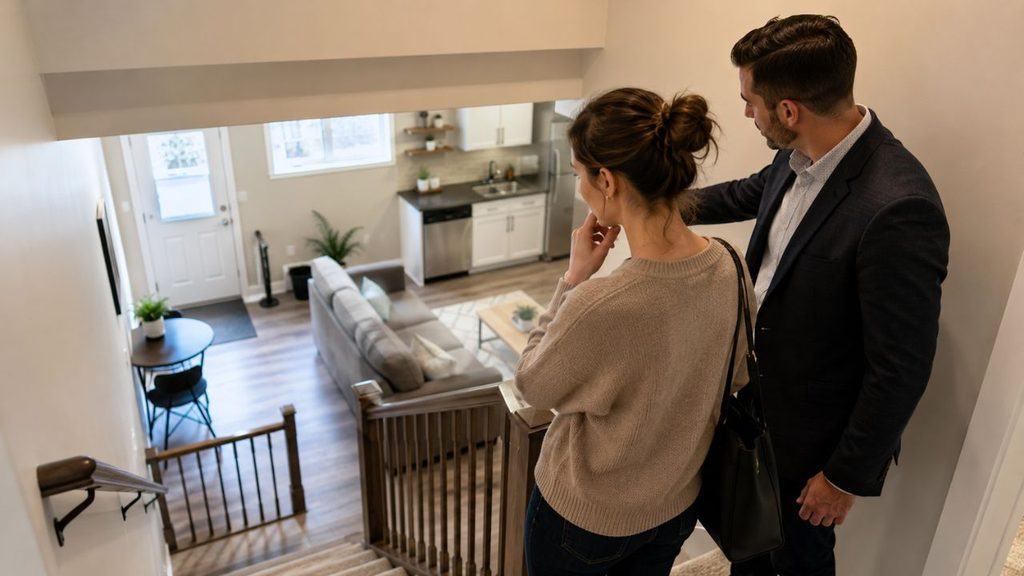
A lender won’t normally accept a number simply because the listing says, “Basement could rent for $1,800!” The rental income may need to be supported by documentation such as an existing lease or market rent determined through an appraisal. Sagen, for example, permits income to be validated using signed leases or fair-market rent from an appraisal for qualifying owner-occupied two-unit properties.
The lender and insurer also have to be satisfied with the property itself. A beautifully finished basement with a fridge and a separate entrance isn’t necessarily a suite that a lender will treat the way you expect.
Does the suite have to be registered and compliant?
Calgary’s changes are particularly relevant here. Secondary suites are now permitted uses in low-density residential districts, but they still have to comply with the applicable land-use, building and safety requirements.
That is one reason I would investigate the suite before writing an offer around the assumption that its rental income will make the mortgage work. I want to know whether the suite is registered, what rent the lender is likely to accept, how that income will be calculated and whether the particular lender or insurer we’re using has additional requirements.
Sagen’s current underwriting guidance, for example, says properties should comply with zoning and applicable bylaws, while rental income from an unauthorized suite may be considered on a case-by-case basis. “There’s a tenant downstairs paying $1,600” and “the lender will use $1,600 for qualification” are not necessarily the same statement.
What if you want to build the suite after buying?
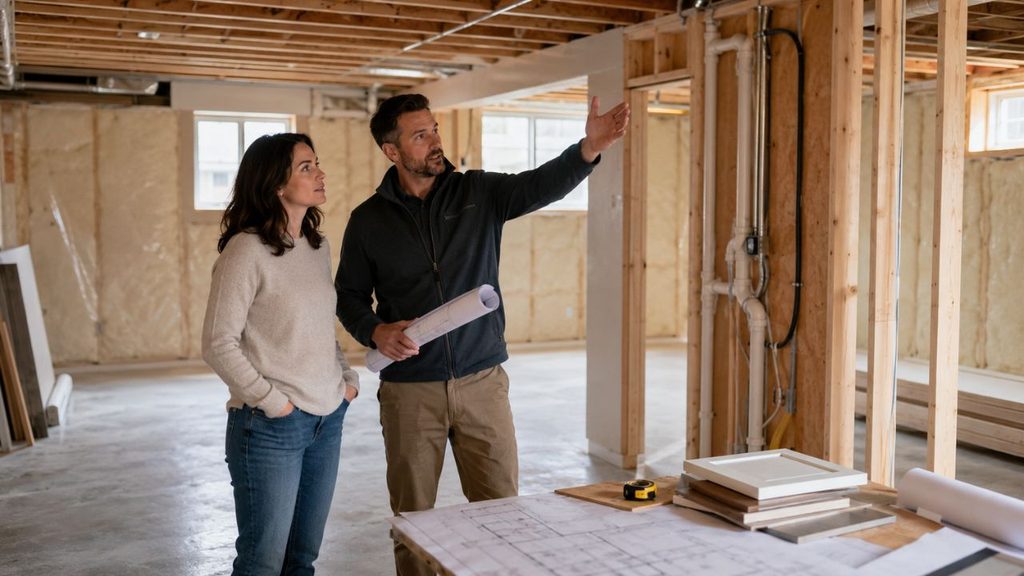
That’s another possibility. Mortgage financing can sometimes be structured around improvements to a property, and there are now insured refinancing options specifically designed for homeowners adding secondary suites.
CMHC’s refinance program for building secondary suites allows qualifying homeowners to finance eligible improvements and sets out requirements including plans, cost estimates and permits. Sagen also permits projected rental income from newly built units to be used for qualification under its secondary-suite refinance program when the rent is supported by an appraiser’s fair-market-rent assessment.
That’s potentially useful, but again, it needs to be structured properly. You generally don’t want to buy the house first and figure out whether the financing works later.
How much can a suite change what you can afford?

Calgary’s secondary-suite boom isn’t only a story about adding more rental housing. For some buyers, it could change the economics of homeownership.
A house with a suitable basement suite may allow rental income to offset part of the cost of owning the property and, depending on the mortgage program, may also help the buyer qualify for the mortgage. But I wouldn’t shop based on the rent alone.
If you’re considering a Calgary home with a secondary suite, I can run the mortgage numbers using the actual property, expected rental income and the lenders available to you. That tells us whether the suite genuinely increases your purchasing power before you remove financing conditions — which is a considerably better time to find out than the week before possession.
How an Alberta mortgage broker helps with a suited property
A suite turns one straightforward mortgage question into several. Here is what we sort out before you write the offer:
- We confirm whether the suite is registered and how that changes the lenders and insurers available to you.
- We tell you what rent the lender is likely to accept — not the number on the listing.
- We show you how that income is calculated in your ratios, since insurers treat two-unit, three-or-four-unit and non-owner-occupied properties differently.
- We line up the proof the file will need: an existing lease, or a fair-market rent figure from the appraisal.
- We compare buying a home that already has a suite against adding one later under an insured secondary-suite refinance program.
- We put a real monthly payment beside each scenario, so you know whether the suite actually increases your purchasing power before financing conditions come off.
Thinking about a Calgary home with a suite?
Let’s run the numbers on the actual property and the actual rent, with the lenders available to you — before you remove your financing condition.
Apply Online → Book a Discovery Call → Serving Calgary, Edmonton & all of Alberta · Mortgages for Less with INDI MortgageSecondary suites and mortgage qualifying: common questions
How many secondary suites does Calgary have now?
Can rental income from a basement suite help me qualify for a mortgage?
How much difference does suite income actually make?
What documents does a lender need to prove the rent?
Does the suite have to be registered or legal?
Can I finance building a suite after I buy the home?
Should I make an offer assuming the suite income will make the mortgage work?
This article is general information for Alberta homebuyers, not financial, mortgage, tax or legal advice. Municipal suite rules, insurer guidelines and lender policies change, rental income treatment varies by lender, insurer, property and mortgage structure, and any mortgage is subject to lender approval. Please speak with a licensed mortgage professional about your specific circumstances. Mortgages for Less with INDI Mortgage.