
If you’ve followed the news this week, you probably saw Prime Minister Mark Carney‘s visit to Alberta. Depending on which outlet you read, the story was either about housing, infrastructure, federal-provincial relations or the protesters gathered nearby. That’s politics for you. Somehow one event can generate half a dozen completely different headlines, and everyone leaves convinced they watched a different movie.
As a mortgage broker, though, I’m less interested in who won the political debate than I am in what actually affects people trying to buy a home. Whether you’re cheering, protesting or simply trying to survive another mortgage renewal, housing affordability remains one of the biggest issues facing Canadians.
What was actually announced?
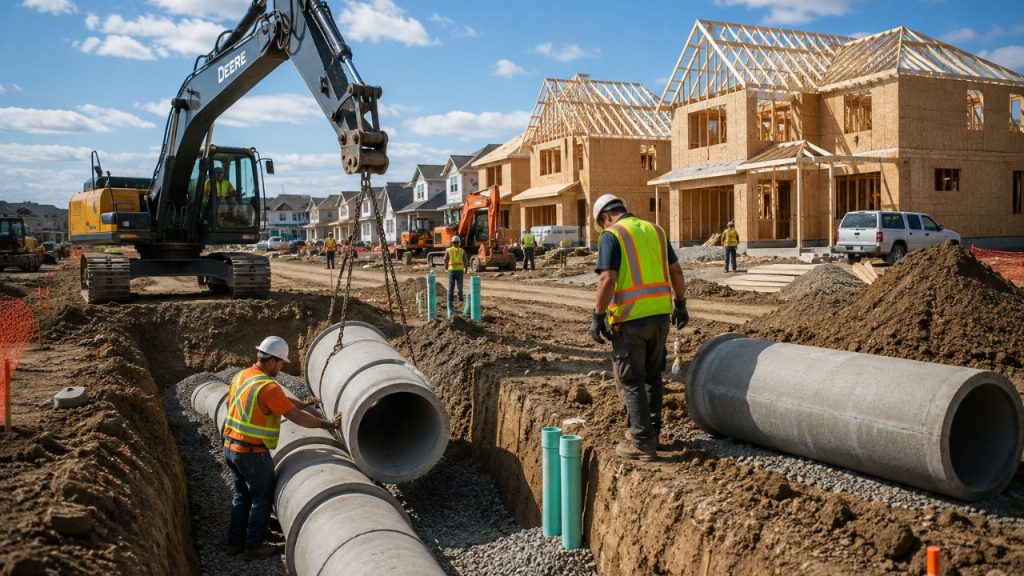
One of the key announcements during the visit was a joint commitment to invest in infrastructure that supports new housing. The federal government announced $510 million in funding to help Alberta municipalities build water and wastewater infrastructure, while Alberta committed to contributing funding toward eligible projects. The goal is to help communities expand the services needed before new neighbourhoods can be built.
It isn’t exactly headline-grabbing material. Let’s be honest, nobody has ever cancelled dinner plans because they wanted to stay home and watch a press conference about sewer capacity. But as unexciting as infrastructure sounds, it’s one of the biggest pieces of the housing puzzle.
Why does infrastructure matter to housing supply?
When most people picture new housing, they imagine construction crews, cranes and freshly built homes. What often gets overlooked is everything that has to happen before construction can even begin. Roads have to be built, water lines installed, storm drainage planned and wastewater systems expanded. Without those basics, municipalities simply can’t approve the amount of development needed to keep up with population growth.
That means investments in infrastructure won’t suddenly make homes cheaper next month, but they can help remove some of the barriers that slow down new housing construction. In the long run, increasing housing supply is one of the ways affordability can improve.
What about the protests that made headlines?

The visit also attracted protesters supporting Alberta separation, which became another major focus of the day’s news coverage. Regardless of where anyone stands on that issue, it demonstrated something that probably isn’t surprising to most Albertans: emotions are running high.
People have different reasons for feeling frustrated. Some are worried about housing costs. Others are concerned about the economy, energy policy, taxes or the relationship between Alberta and Ottawa. There isn’t one single issue driving the conversation, and there certainly isn’t one simple solution. It’s possible for people to disagree on politics while still agreeing that housing affordability needs attention.
Does housing affordability follow party lines?
One thing I find interesting is that housing problems don’t really care who you voted for. High home prices affect buyers across the political spectrum. Limited inventory doesn’t ask which campaign sign was on your lawn last election. Mortgage payments are equally committed to arriving every month regardless of anyone’s political views.
That’s why I tend to pay less attention to the political theatre and more attention to whether announcements are likely to improve the housing market over time. Good ideas can come from any level of government, and meaningful progress usually requires municipalities, provinces and the federal government working together rather than pointing fingers at one another.
What does this mean for homebuyers right now?
For anyone hoping this announcement means home prices are about to fall or mortgage rates are about to change, it’s important to keep expectations realistic. Infrastructure projects take years to plan, approve and build. New communities don’t appear overnight, and neither does additional housing supply.
That said, increasing the capacity to build more homes is still an important step. Canada has been talking about the need for more housing for years, and while infrastructure isn’t the most exciting part of the conversation, it’s one of the most necessary. Sometimes the least glamorous projects end up making the biggest difference.
What are clients actually asking me?

The headlines this week focused on politics, protests and competing viewpoints, but the questions I’m hearing from clients haven’t really changed. People want to know whether they can afford to buy, whether they should renew now or wait, and whether more housing is finally on the way.
Those are the conversations that matter most to me. Political debates will continue, protests will come and go, and governments will keep announcing new initiatives. Meanwhile, Albertans will still be looking for homes, renewing mortgages and trying to make good financial decisions for their families. Long after the cameras have packed up, those are the questions that will still need answers.
If you have questions or are looking for a free personalized consultation, please don’t hesitate to contact me.
How an Alberta mortgage broker helps you tune out the headlines
Announcements move slowly. Your renewal date and your purchase timeline don’t. Here is where the real decisions get made:
- We tell you what you qualify for today, using current lender rules rather than what a policy might do years from now.
- We compare renewing now against waiting, including what a rate hold protects you from while you decide.
- We price a new build against a resale purchase — different deposit structures, different completion timelines, different lender requirements.
- We shop multiple lenders, because the spread between the best and the average offer is worth more than most headlines.
- We plan for the stress test so a qualifying rate doesn’t surprise you late in the process.
- We keep watch on the Bank of Canada and bond market and tell you what actually moved, not what merely got announced.
Buying or renewing while the headlines argue?
Let’s look at your actual numbers — what you qualify for, what a renewal costs you today, and whether waiting helps or hurts.
Apply Online → Book a Discovery Call → Serving Calgary, Edmonton & all of Alberta · Mortgages for Less with INDI MortgageHousing, politics and the Alberta visit: common questions
What housing commitment came out of the Alberta visit?
Will this make homes cheaper?
Why does water and wastewater infrastructure matter to housing?
Does this announcement mean mortgage rates will change?
What were the protests about?
Is housing affordability a partisan issue?
So what should a buyer or renewer do in the meantime?
This article is general information for Alberta homebuyers and homeowners, not financial, mortgage, tax, legal or political advice. Government programs, funding commitments, market conditions and lender policies change over time and vary by lender, and every mortgage is subject to lender approval. Please speak with a licensed mortgage professional about your specific circumstances. Mortgages for Less with INDI Mortgage.