
By Josh Tagg, mortgage broker · Mortgages for Less with INDI Mortgage · Calgary, serving all of Alberta ·
Just when it looked like the Bank of Canada could spend the rest of the year sitting on the sidelines, another twist has arrived.
The Bank Says Inflation Is Improving—So Why Does Edmonton Still Feel Broke?The latest tariff threats from the United States have reminded economists just how quickly the outlook can change. While the headlines are about international trade, the consequences could eventually affect Canadian interest rates, mortgage pricing, and the broader economy.
If you’re buying a home, renewing your mortgage, or wondering whether rates are headed lower again, here’s what I’m watching.
Do tariffs only affect trade?
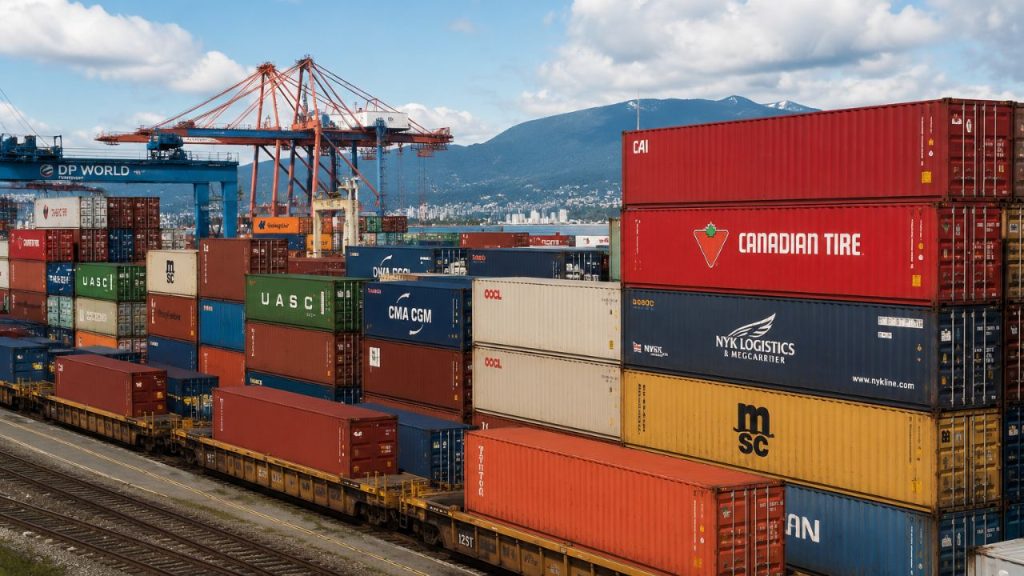
When most people hear the word “tariff,” they think about imported products becoming more expensive. That’s true, but the bigger issue is uncertainty.
Businesses delay investments. Manufacturers hold off on hiring. Companies rethink supply chains. Consumers become more cautious. Those effects can slow economic growth long before the tariffs themselves have their full impact.
The latest U.S. proposal would affect roughly $28 billion worth of Canadian exports across industries including lumber, chemicals, electronics, plastics, dairy products, cement, and paper products, although several major sectors remain exempt.
Why does this matter for interest rates?
Only a couple of weeks ago, most economists—including me—expected the Bank of Canada to remain on hold for quite some time. Inflation has eased considerably from its peak, but energy prices remain elevated and the Bank has repeatedly said it wants more evidence before making another move.
Now economists are beginning to discuss a different possibility.
BMO says worsening trade tensions could reopen the door to future Bank of Canada rate cuts if tariffs meaningfully weaken the Canadian economy. Their base case is still for rates to remain unchanged for now, but the risk has shifted.
That’s an important distinction. Nobody is predicting immediate rate cuts because of tariffs. They’re saying tariffs increase the odds that cuts become necessary later if economic growth slows enough.
Why does Capital Economics see a more complicated picture?

One point that stood out to me from Capital Economics is that Canada isn’t facing this challenge as one united economy. Some provinces depend far more heavily on exports to the United States than others, meaning the economic impact could vary significantly across the country. Provinces with larger manufacturing and export sectors may feel more pressure than those whose economies are supported by other industries.
That creates an unusually uneven outlook where parts of Canada could slow much faster than others, making the Bank of Canada’s job even more difficult. It has one interest rate for an economy that’s increasingly moving in different directions.
What does this mean for mortgage rates?
It’s tempting to think tariffs automatically mean lower mortgage rates. Unfortunately, it isn’t that simple.
Variable-rate mortgages are influenced by the Bank of Canada’s overnight rate. If the economy weakens enough because of tariffs, that could eventually support lower variable rates.
Fixed mortgage rates are different. They follow Government of Canada bond yields, which respond to investors’ expectations about inflation, growth, government borrowing, and financial markets. Some days tariffs push bond yields lower because investors expect slower growth. Other days they push yields higher because markets worry about inflation or increased government spending. That’s why we’ve seen fixed rates move both up and down during the various rounds of tariff announcements over the past two years.
What should buyers and homeowners do?
I don’t think this is a reason to rush into making a mortgage decision—or to delay one. What it does reinforce is the importance of having a strategy rather than trying to guess what politicians or central bankers will do next.
If you’re renewing in the coming months, now is a good time to review your options rather than waiting until the last minute. If you’re buying your first home, remember that mortgage decisions should be based on what you can comfortably afford today—not on where you hope rates might be six months from now.
What’s my take as a mortgage broker?

The biggest story isn’t necessarily the tariffs themselves. It’s the uncertainty they create.
Only a few weeks ago the conversation was about inflation staying a little too high. Now economists are once again discussing the possibility that slowing growth could eventually lead to lower interest rates. That’s how quickly economic forecasts can change.
If you’re wondering how these developments could affect your mortgage plans, I’d be happy to walk through your options and explain what today’s market means for your specific situation. Contact me for a free personalized consultation.
How an Alberta mortgage broker helps when the rate outlook keeps changing
You can’t control tariffs, bond yields or the Bank of Canada. You can control how your mortgage is structured before the next headline lands:
- We put a rate hold in place so a bond-yield swing during your search or renewal window can’t cost you the deal you were counting on.
- We price fixed against variable with your actual numbers — including what a variable payment looks like if cuts never arrive.
- We start your renewal review early rather than at the last minute, when your only real option is signing the lender’s first offer.
- We shop multiple lenders, because the gap between the best and the average offer is usually larger than the move any forecast is arguing about.
- We qualify you on what you can comfortably afford today, not on where you hope rates might be in six months.
- We tell you what actually moved — a policy rate, a bond yield, a lender’s pricing — and what was only announced.
Buying or renewing while the trade headlines keep shifting?
Let’s look at your real numbers — what you qualify for, what your renewal costs today, and whether fixed or variable fits your situation.
Apply Online → Book a Discovery Call → Serving Calgary, Edmonton & all of Alberta · Mortgages for Less with INDI MortgageTariffs and Canadian mortgage rates: common questions
Will tariffs lower Canadian mortgage rates?
How large are the proposed tariffs?
Why do tariffs matter beyond the price of imported goods?
Do tariffs affect fixed and variable rates the same way?
Why is the impact different across Canada?
Should I rush to lock in or wait for cuts?
What should I do if I’m renewing in the next few months?
This article is general information for Alberta homebuyers and homeowners, not financial, mortgage, tax or investment advice. Economic forecasts, trade policy, bond yields and lender pricing change constantly and vary by lender, and every mortgage is subject to lender approval. Please speak with a licensed mortgage professional about your specific circumstances. Mortgages for Less with INDI Mortgage.